Can I freely post images with people on social media?
Posting images with people on social media without their consent could violate their privacy rights. It’s essential to always respect individuals’ rights and interests. If you’re considering sharing pictures, the best approach is to obtain explicit consent or have them sign a release form. An excellent alternative to ensure privacy is to anonymize depicted individuals using EraseID. Always prioritize people’s privacy and rights when disseminating images online.
What should I modify to remove personal identities from images?
Pursuant to Art. 4(1) of the GDPR, personal data is data relating to an identified or identifiable natural person, whereby identifiability is deemed to exist if the information is not sufficient in itself to assign it to a specific person, but this is possible as soon as the information is linked to other information – for example, publicly accessible sources such as social media. Image data qualifies as personal data (cf. Art. 4 No. 1 GDPR) if a person depicted on it is recognizable” in the sense that it can be individualized, irrespective of mere data identity. Therefore, the individual characteristics of a person depicted – such as a conspicuous item of clothing worn in a certain context – may be sufficient to make him or her recognizable. Therefore, not every type of image processing is suitable to eliminate the recognizability of a depicted person. In the case of pseudonymized data, the reference to the person can be re-established. The decisive factor is that legally permissible, reasonably applicable means are available, by which is meant a reasonable or not unusual investigation effort. In the case of anonymized data, this is difficult for the person responsible to handle with reasonable effort.
Do I only need image copyrights for commercial use, or also personal rights?
Anonymizing an image means that the identifiable features of the individuals in the image have been removed or obscured to the point where they cannot be identified. While this may make it less likely for the individuals to be recognized, it does not necessarily eliminate the need for consent for commercial use. Even if an individual is not identifiable in an image, they still have certain rights to control the use of their likeness, such as the right of publicity or personality rights. In some cases, the law may recognize these rights even when the identity is removed, as it is the use of their likeness that is being commercialized, not just their identity.
What is a model release?
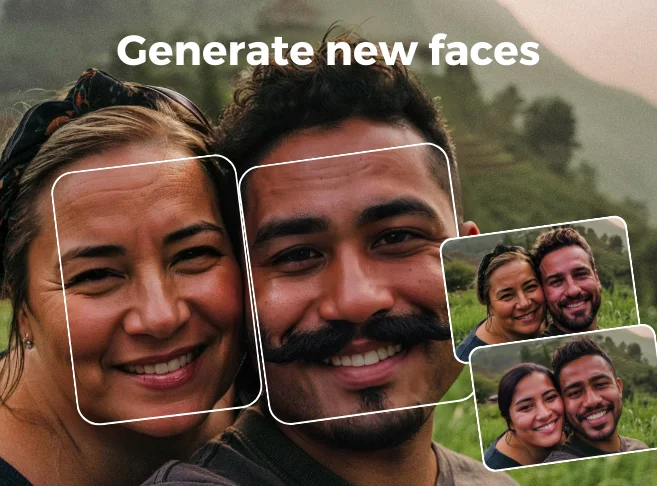
A model release is a legal document that allows for the commercial use of an individual’s image. It provides legal protection and helps ensure compliance with laws and regulations such as GDPR. The release specifies usage rights, permissions, and provides identification and contact information. Obtaining the release is crucial for commercial photography and advertising. An alternative solution is to anonymize photos using a tool like EraseID, which can effectively replace real models with artificial, realistic ones.
Can a generated face look like an existing person?
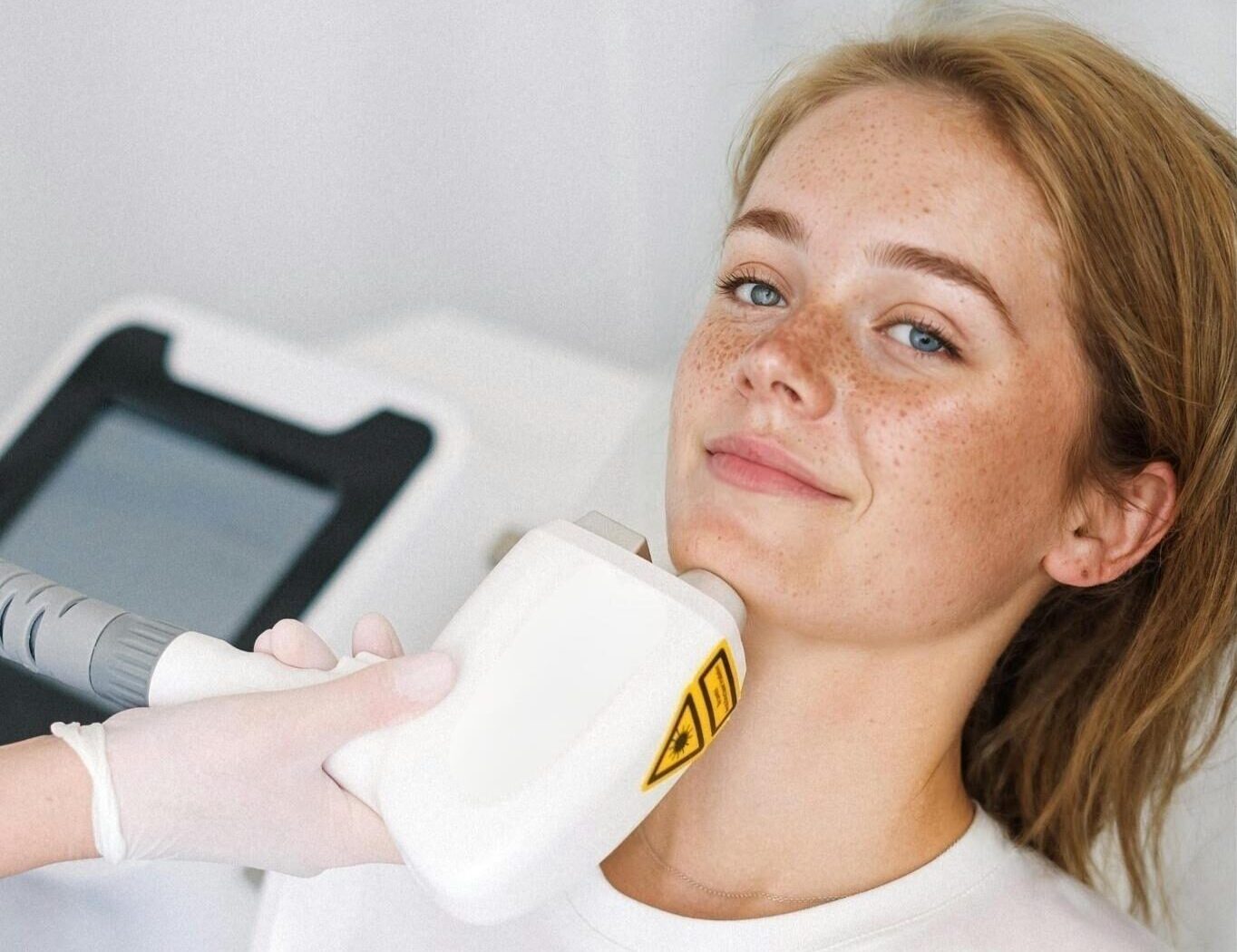
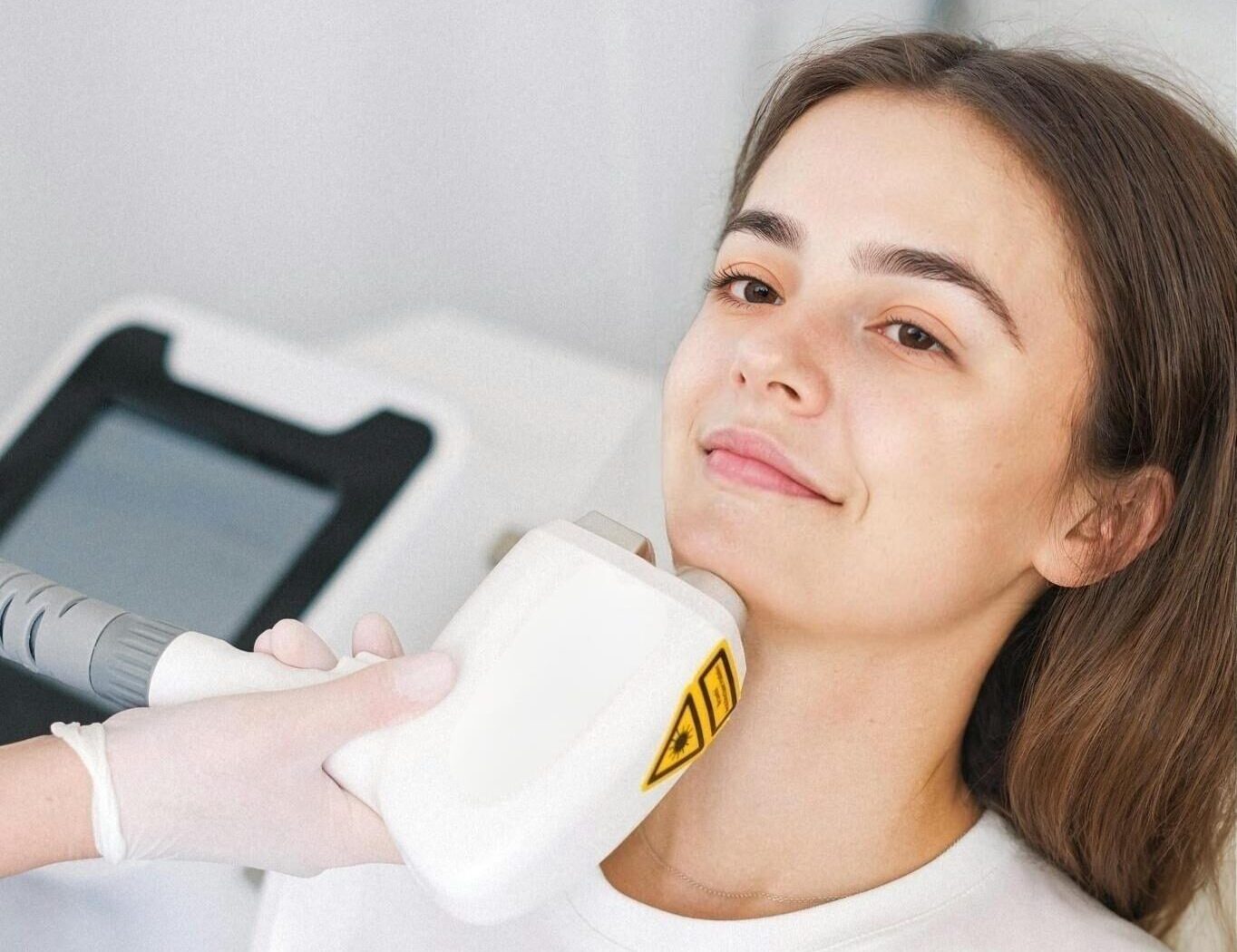
Our model produces diverse, bias-free synthetic identities. Given the model’s vast parameter range, the chance of replicating an existing human’s identity is almost nil. While a generated face might have a slim chance of resembling a real person, users should evaluate each similarity individually.
What types of images can I upload?
You can upload JPG or PNG images up to 50 megabytes and a maximum resolution of 7,000 x 7,000 pixels. For higher resolutions or sizes, please contact our office to unlock this option.
How does the anonymization work?
De-identification makes personal data untraceable to individuals. EraseID detects and replaces faces and haircuts with algorithmically generated ones. Effective anonymization might bypass explicit GDPR consent. However, EraseID’s users must know and follow all relevant data protection laws.
Do you store my images in the Web application?
We store your generated photos safely on third-party servers in the European Union. We keep them for 24 hours, unless you choose to retain them longer.
What is the API for?
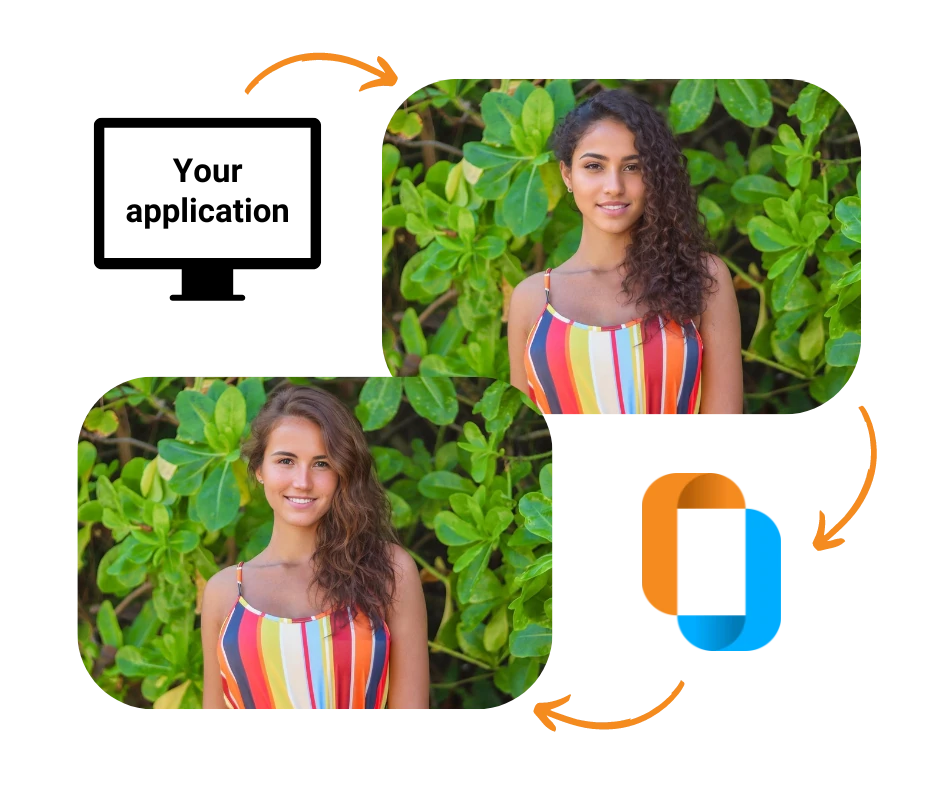
The API allows you to integrate EraseID software into your website, app, or workflow. It’s a simple HTTP-based interface with various options.