
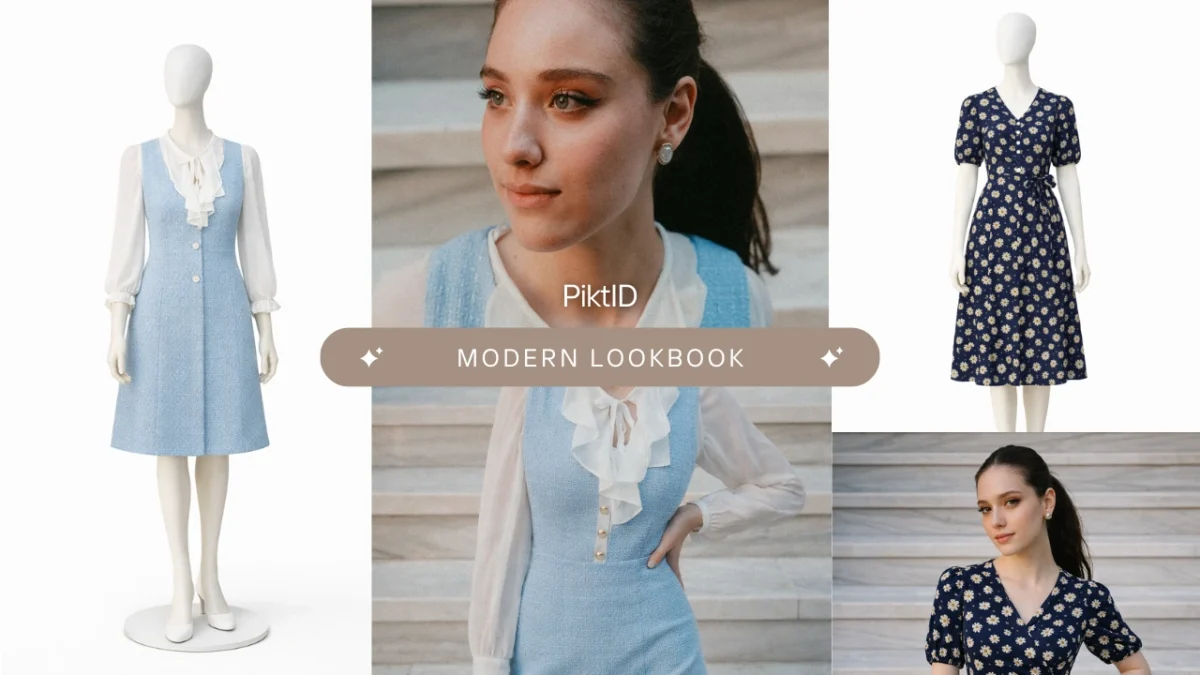
1. Beyond the Plastic Form
The concept of a Realistic Female Mannequin has become central to how modern fashion and e-commerce brands present their products online. As shopping moves increasingly toward digital-first experiences, brands are evolving past static fiberglass mannequins and costly live model shoots to meet the modern demands of speed, scale, and visual consistency.
A Realistic Female Mannequin represents a strategic shift toward AI-powered, human-like digital models. These assets provide the lifelike posture and natural skin appearance of a professional fashion model while remaining fully controllable and reusable.
Key Business Advantages for E-commerce:
- Eliminate Reshoot Costs: No need for expensive studio bookings for every seasonal update.
- Rapid Deployment: Go from “flat lay” to “on-model” product pages in minutes.
- Consistent Brand Identity: Maintain a “Signature Model” look across thousands of SKUs.
- Global Scalability: Effortlessly adapt mannequin realism for regional or diverse audience segments.
For brands managing high-volume catalogs, platforms like PiktID are transforming the Realistic Female Mannequin from a simple visual aid into a scalable Digital Twin workflow.
2. What Is a Realistic Female Mannequin?

In today’s digital landscape, a Mannequin is no longer just a 3D body or a plastic stand-in. It is an AI-generated digital model designed to bridge the gap between ghost mannequin photography und live model editorial shoots.
The Anatomy of Realism
To rank as “High Quality,” a digital mannequin must master several technical layers:
- Micro-Texture Skin Tones: Lifelike skin that responds naturally to studio lighting without the “uncanny valley” effect.
- Anatomical Accuracy: Proportions that reflect real human bodies to assist shoppers with size and fit visualization.
- Dynamic Posture: Moving beyond rigid “C-posture” or “S-shape” stances to include camera-ready, editorial poses.
- Fabric Integrity: Ensuring the drape and weight of the garment are perfectly mapped to the digital form.
Why Realism Matters: Impact on Conversion Rates
Traditional mannequins can feel rigid and visually disconnected, often causing a “bounce” in engagement. In contrast, a Female Mannequin adapts to the styling needs of the garment, creating a believable human form that helps shoppers understand how a piece of clothing will actually look on them.
Data-Backed Benefits:
- Increased Visual Trust: Realism reduces consumer uncertainty regarding fabric quality.
- Higher PDP Performance: Realistic digital models often outperform traditional invisible mannequin shots in A/B testing.
- Reduced Returns: Accurate display of fit and proportion leads to more informed purchase decisions.
3. Why Brands Are Replacing Physical Models and Mannequins

Fashion brands are under constant pressure to produce more visuals, faster, and with greater consistency. Traditional production methods built around physical mannequins and live models are no longer efficient for modern fashion cycles. This shift has led many brands to adopt Female Mannequin workflows powered by AI and digital editing.
Limitations of Physical Mannequins
Physical mannequins were designed for in-store display, not high-volume digital commerce. Their limitations become clear at scale.
- Fixed poses limit creative flexibility
- Static posture makes apparel look unnatural in motion
- One-size mannequins fail to represent diverse body types
- High upfront costs for purchase and storage
- Ongoing maintenance, repairs, and replacements
- Not adaptable for seasonal or trend-driven styling changes
For brands managing hundreds or thousands of SKUs, these constraints slow down production and restrict visual experimentation.
Limitations of Live Models
Live models offer realism, but they introduce operational complexity that does not scale well.
- Scheduling delays slow campaign launches
- Re-shoots increase production costs
- Inconsistent lighting, expressions, and poses across collections
- Difficult to maintain the same model across seasons
- Regional or demographic changes require new shoots
These issues make it difficult to achieve uniformity across product detail pages and marketing assets.
Advantages of Realistic Female Mannequin Workflows
A Realistic Female Mannequin approach combines visual realism with production efficiency.
- Instant iteration without re-shoots
- Reusable model identities across collections
- Consistent lighting, pose, and proportions
- Scalable for entire catalogs and marketplaces
- Easy adaptation for global markets and regional preferences
This approach allows brands to focus on speed, consistency, and creative control without sacrificing visual quality.
Lesen Sie mehr: Body Swap AI Maker
4. Digital Mannequins vs Physical Mannequins

As fashion moves toward digital-first commerce, the gap between traditional mannequins and digital alternatives continues to widen. Realistic Female Mannequin systems are built specifically for high-performance visual production.
Key Comparison Dimensions
i. Cost per Product Image
Physical mannequins require repeated setup, photography, and editing. Digital mannequins significantly reduce per-image costs by eliminating physical handling and studio dependency.
ii. Pose Flexibility
Physical mannequins are locked into a few rigid poses. A Realistic Female Mannequin can be adjusted digitally to create multiple poses from a single base image.
iii. Size and Body-Type Variation
Traditional mannequins rarely represent size diversity. Digital workflows allow brands to showcase apparel on different body types without additional shoots.
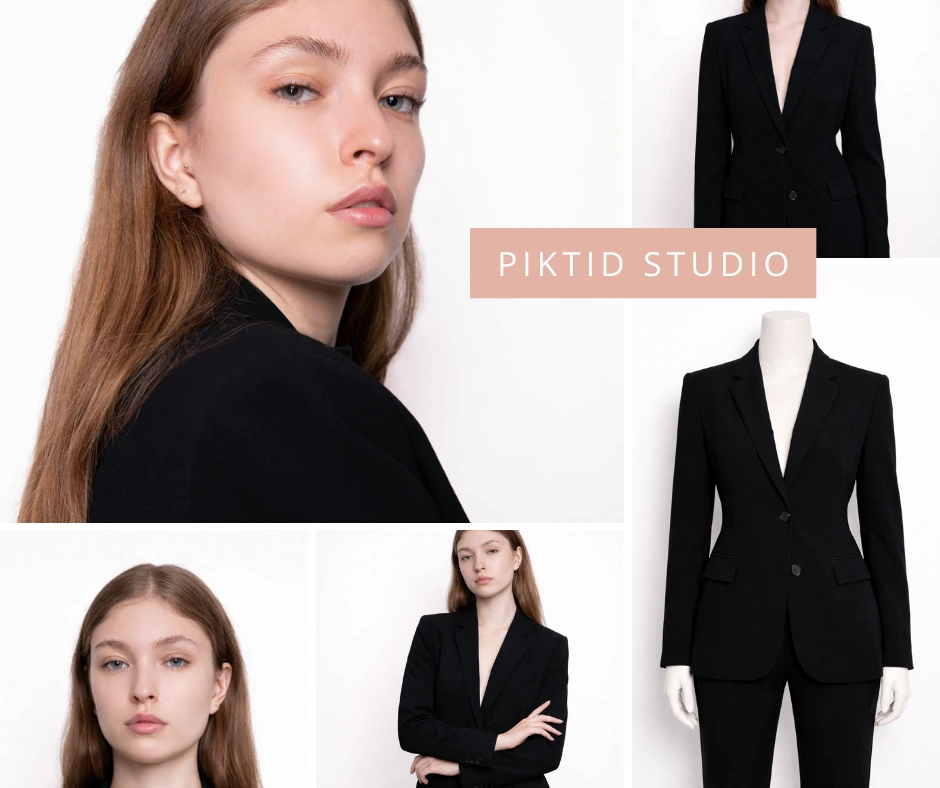
iv. Brand Consistency
Maintaining the same look across seasons is difficult with physical assets. Realistic Female Mannequin identities can be reused, ensuring consistent visuals across campaigns and years.
v. Speed to Market
Physical setups slow down launches. Digital mannequins enable rapid PDP creation, allowing brands to publish product images as soon as inventory is ready.
vi. Reusability Across Seasons
Physical mannequins age, break, or go out of style. Digital mannequins can evolve with trends while maintaining brand continuity.
Why Digital Mannequins Win for Modern Fashion
For fast-moving fashion cycles, PDP creation, and omni-channel retail, Realistic Female Mannequin workflows outperform physical mannequins in every critical area. They reduce costs, accelerate production, and provide the flexibility brands need to compete in a visually driven market.
Erfahren Sie mehr über AI clothing Model using PiktID Studio
5. Realism Factors That Define a High-Quality Female Mannequin
A Realistic Female Mannequin is no longer just a plastic mold; it is a precision tool for conversion. Whether physical or digital, realism is defined by how accurately it replicates human anatomy and interacts with light.

i. Material Integrity & Skin Rendering
High-end mannequins use Grade-A Fiberglass rather than cheap PVC to achieve a “matte-flesh” finish. In digital workflows, this translates to Subsurface Scattering (SSS)—the way light penetrates the skin surface rather than bouncing off like plastic.
- Warum das wichtig ist: Prevents the “uncanny valley” effect where models look “creepy” or artificial.
- Pro-Tip: Look for mannequins with hand-painted detailing or high-res skin maps to ensure clothing doesn’t look “pasted on.”
ii. Anatomical Precision: The 8-Head Proportion
Standard fashion mannequins often use an idealized “8-head” height ratio. A truly Realistic Female Mannequin must balance these proportions with real-world dimensions (Shoulder, Waist, and Hip ratios) to ensure garment tension is accurate.
- Fit Accuracy: Reduces “pinch points” under the arms and across the bust.
- Customer Trust: When the mannequin reflects a realistic human form, buyers can better estimate how the size 6 on screen will fit their size 6 body.
iii. Dynamic Fabric Drape & Tension Mapping
Realism is found in the “hang.” A high-quality mannequin allows fabric to respond to gravity.
- Stretch Fabrics: Proper limb positioning shows realistic tension in active wear.
- Tailored Pieces: Structured shoulders in a realistic form prevent blazer “collapse.”
6. Fit Model Workflows Using Realistic Female Mannequins
Modern fashion brands increasingly use Realistic Female Mannequins as digital fit models. These mannequins act as standardized bodies that remain consistent across photos, collections, and seasons.

i. How Brands Use Mannequins as Digital Fit Models
Instead of relying on multiple live models, brands assign one or more Realistic Female Mannequin profiles to represent specific sizing categories. These mannequins are reused across product shoots and digital workflows.
This approach allows teams to:
- Maintain consistent body dimensions
- Eliminate variation between shoots
- Reduce dependency on physical fit models
ii. Benefits for Sizing Visualization
A Realistic Female Mannequin gives customers a stable reference point for understanding fit. When the same body shape is used across products, buyers can mentally compare how different garments sit on the same form.
This improves:
- Size confidence
- Fit predictability
- Customer satisfaction
iii. Pattern Validation and Design Accuracy
Design and merchandising teams use Realistic Female Mannequins to evaluate patterns before full production. Seeing garments on a consistent body helps identify tension points, length issues, and proportion errors early.
This reduces:
- Sampling costs
- Design revisions
- Time-to-market delays
iv. Repeated Pose Alignment Across Catalogs
Using the same mannequin and pose across multiple products ensures visual alignment. A Realistic Female Mannequin allows brands to repeat exact poses across entire categories.
This enables:
- Clean product grids
- Easy comparison between items
- Professional catalog flow
v. Improving Side-by-Side Product Comparison
When customers view multiple products together, inconsistencies become obvious. A Realistic Female Mannequin ensures that differences between products come from the garments, not from body shape or posture changes.
Side-by-side consistency helps:
- Highlight design differences
- Improve decision-making
- Increase conversion rates
vi. Variant Consistency Across Colors and Fabrics
Color and fabric variants should not change how a garment fits visually. Reusing the same Realistic Female Mannequin across variants ensures that fit, posture, and proportions remain identical.
This is critical for:
- Multi-color product listings
- Fabric comparison
- Seasonal updates
vii. Mannequin Reuse Across SKUs and Collections
A single Realistic Female Mannequin can be reused across hundreds of SKUs and multiple collections. This creates a recognizable visual standard for the brand and simplifies production workflows.
Long-term benefits include:
- Lower content production costs
- Faster catalog updates
- Stronger visual brand identity
PiktID offers AI Model for Clothing
7. Creating a Realistic Female Mannequin with PiktID: The Future of E-commerce

The search for a Realistic Female Mannequin is no longer a choice between rigid plastic figures or high-budget photo-shoots. With PiktID, brands can now generate hyper-realistic digital mannequins that offer a natural, high-conversion look while remaining legally safe for global commercial use.
This AI-driven approach is the ultimate scaling tool for fashion brands, e-commerce marketplaces, and digital marketers who require consistent, studio-quality imagery at a fraction of traditional costs.
Integrated Workflow: From Flat Lay to Production-Ready Model
PiktID streamlines the process of building a Realistic Female Mannequin by integrating specialized AI tools into one seamless workflow.
Step 1: Generate Person – Defining the Base Mannequin
The “Generate Person” feature at PiktID builds the foundation of your Realistic Female Mannequin. It creates lifelike female models featuring natural skin textures, authentic body proportions, and balanced facial structures that avoid the “uncanny valley” effect.
- Anatomical Accuracy: Human-like proportions ensure apparel hangs and fits correctly.
- Pose Versatility: Generates neutral or dynamic poses that suit various garment types.
Visual Fidelity: Provides editorial-quality lighting that mimics a professional studio environment.
Step 2: Anonymize – Commercial Safety & Identity Control
A major pain point in using a Realistic Female Mannequin for commercial use is licensing. PiktIDs “Anonymize” tool solves this by replacing real human faces with synthetic, AI-generated identities.
- Full Privacy Compliance: Eliminates the need for model releases or usage rights.
- Digital Twins: Brands can save a specific synthetic identity to serve as their “Digital Twin” model, ensuring your Realistic Female Mannequin looks identical across entire seasonal collections.
Learn More: AI Fashion Model Generator
8. Fashion Swap: The Digital Styling Engine
Die Fashion Swap tool within PiktID is the core engine used to dress your Realistic Female Mannequin. It eliminates the need for physical restyling and repetitive studio setups, allowing brands to apply new garments to the same digital model instantly.

How Fashion Swap Achieves High Realism
For a Realistic Female Mannequin to convert shoppers, the clothing must look authentic. PiktID ensures that every garment maintains:
- Fabric Integrity: The AI reads the original texture, ensuring silk looks like silk and denim keeps its weight.
- Natural Drape: Accurately simulates folds and shadows at the shoulders, waist, and hips.
- Proportional Alignment: Clothing fits the digital body without the distortions commonly seen in generic AI generators.
Strategic Benefits for Fashion Brands
Durch die Nutzung von PiktID to dress a Realistic Female Mannequin, e-commerce teams unlock several high-impact merchandising advantages:
- Visual Consistency: Use the exact same Realistic Female Mannequin across 100+ SKUs to create a clean, professional catalog.
- Zero-Inventory Launches: Generate high-quality marketing assets before the physical product even arrives at the warehouse.
- Reduced Returns: Realistic fit and fabric representation lead to higher customer trust and more accurate expectations.
Why PiktID is the Professional Choice for 2026
Traditional photography is slow; generic AI is risky. PiktID provides a middle ground: the speed of automation with the precision of a professional retoucher. By focusing on Realistic Female Mannequins that preserve brand identity and legal safety, PiktID is helping fashion brands bridge the gap between imagination and a ready-to-sell reality.
9. Anonymize: High-Conversion Realistic Female Mannequins for Brand Safety

In the competitive US e-commerce market, fashion brands are shifting away from traditional photography toward realistic female mannequins to maintain total creative control. While cost is a factor, the primary drivers are now legal security and long-term brand consistency. By using the PiktID Anonymize tool, brands can generate a realistic female mannequin that removes dependency on human models while delivering a lifelike, high-end editorial appearance.
The Problem with Real Faces in E-commerce
Relying on human models introduces “Identity Risk.” As your catalog grows, managing model releases across different global regions becomes an operational nightmare. PiktID solves this by providing “Synthetic Brand Ambassadors” that never expire.
Why Leading Brands are Moving Toward Realistic Female Mannequins:
- Legal & Usage Limits: Model release agreements often vary by region or expire after 12–24 months.
- Campaign Agility: Waiting for legal approvals can delay a product launch by weeks.
- Visual Distraction: High-fashion faces can sometimes distract shoppers from the garment’s details.
- Brand Fragmentation: Changing models every season makes your Brand Identity feel inconsistent.
How PiktID Generates a Realistic Female Mannequin
Die PiktID Anonymize feature doesn’t just “blur” faces; it creates entirely new, synthetic identities. Every realistic female mannequin produced is mathematically unique, meaning it looks completely natural but belongs to no real person.
The PiktID Safety Standard:
- 100% GDPR-Compliant: Zero personal data risk because the faces are non-human.
- Global Commercial Rights: Use your generated mannequins in the USA, Europe, or Asia without extra fees.
- Neutral Professionalism: Identities are optimized for a clean, editorial look that elevates your apparel.
Lesen Sie mehr über Modetechnologie-KI
10. Use Cases by Industry
AI-powered visuals have made the Realistic Female Mannequin a practical alternative to traditional fashion presentation methods. Instead of relying on repeated photo-shoots or static mannequins, brands can now create consistent, high-quality visuals at scale.

a. Fashion & Apparel Brands
Fashion brands use a Realistic Female Mannequin to maintain visual consistency while reducing production time.
i. Lookbooks
A Realistic Female Mannequin allows brands to present entire collections with the same body proportions, posture, and visual style. This creates a cohesive editorial look across all pages and seasons.
ii. Seasonal launches
Brands can update faces, poses, or styling for new seasons without reshooting garments. A Realistic Female Mannequin helps refresh campaigns quickly while keeping costs under control.
iii. Capsule collections
Limited releases benefit from fast turnaround. Using a Realistic Female Mannequin makes it possible to launch small collections with polished visuals, even when timelines are tight.
b. E-commerce & Marketplaces
Online stores depend heavily on clean, consistent product imagery. A Realistic Female Mannequin ensures every product follows the same visual standards.
i. Shopify stores
Merchants can display apparel with consistent posture, lighting, and proportions across product pages, improving brand credibility and user trust.
ii. Amazon listings
A Realistic Female Mannequin helps standardize images across SKUs, which improves catalog uniformity and makes listings easier to compare.
iii. DTC websites
Direct-to-consumer brands use a Realistic Female Mannequin to create lifestyle-ready visuals that load fast, look professional, and convert better.
c. Designers & Manufacturers
For design and production teams, a Realistic Female Mannequin supports early-stage visualization and decision-making.
i. Sampling visualization
Designers can preview how garments will look on a Realistic Female Mannequin before physical samples are finalized, reducing waste and revision cycles.
ii. Pre-production catalogs
Manufacturers use Realistic Female Mannequin imagery to present collections to buyers, retailers, or internal teams before mass production begins.
11. PiktID’s Digital Mannequins vs Other Solutions
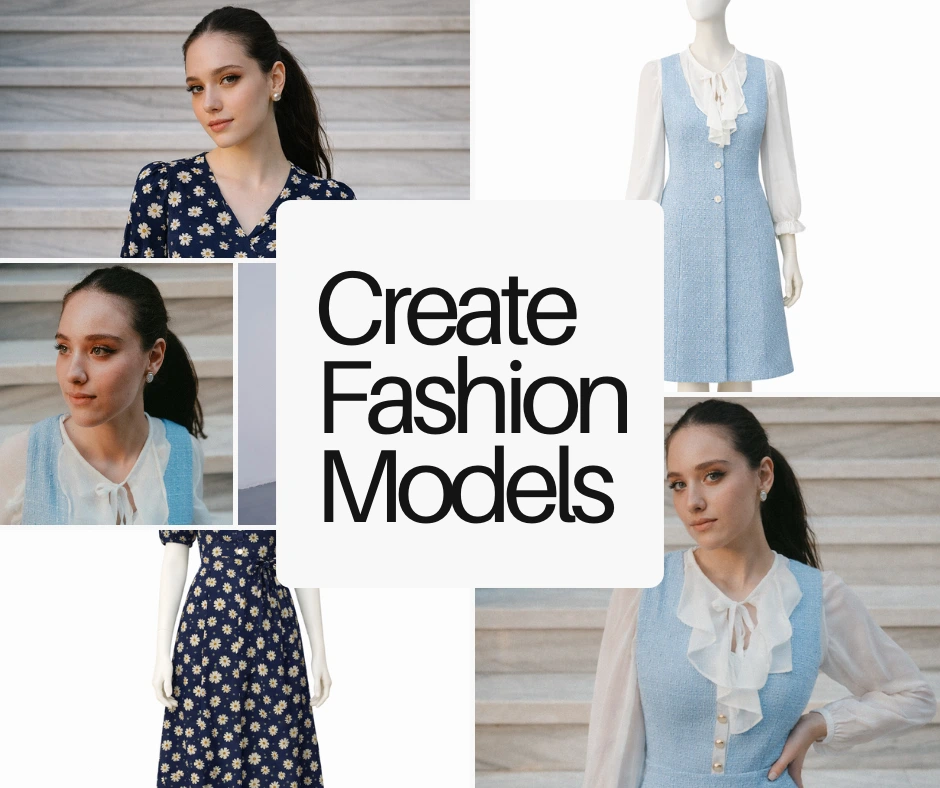
Choosing the right presentation method impacts cost, speed, and consistency. Below is a clear comparison between traditional approaches and a Realistic Female Mannequin.
| Solution Type | Realismus | Kosten | Geschwindigkeit | Reusability |
| Physical mannequins | Niedrig | Hoch | Langsam | Begrenzt |
| Live models | Very high | Very high | Langsam | Niedrig |
| Generic 3D avatars | Medium | Medium | Medium | Medium |
| AI-powered PiktID Studio | Hoch | Niedrig | Schnell | Hoch |
Wichtigste Erkenntnisse
- Physical mannequins are static and costly to update
- Live models offer realism but require repeated shoots and high budgets
- Generic 3D avatars lack natural textures and editorial quality
- PiktID combines realism, speed, and scalability
For brands that need flexibility, consistency, and cost efficiency, the Realistic Female Mannequin approach offers the most balanced solution for modern fashion workflows.
12. Ethics, Privacy, and Brand Safety
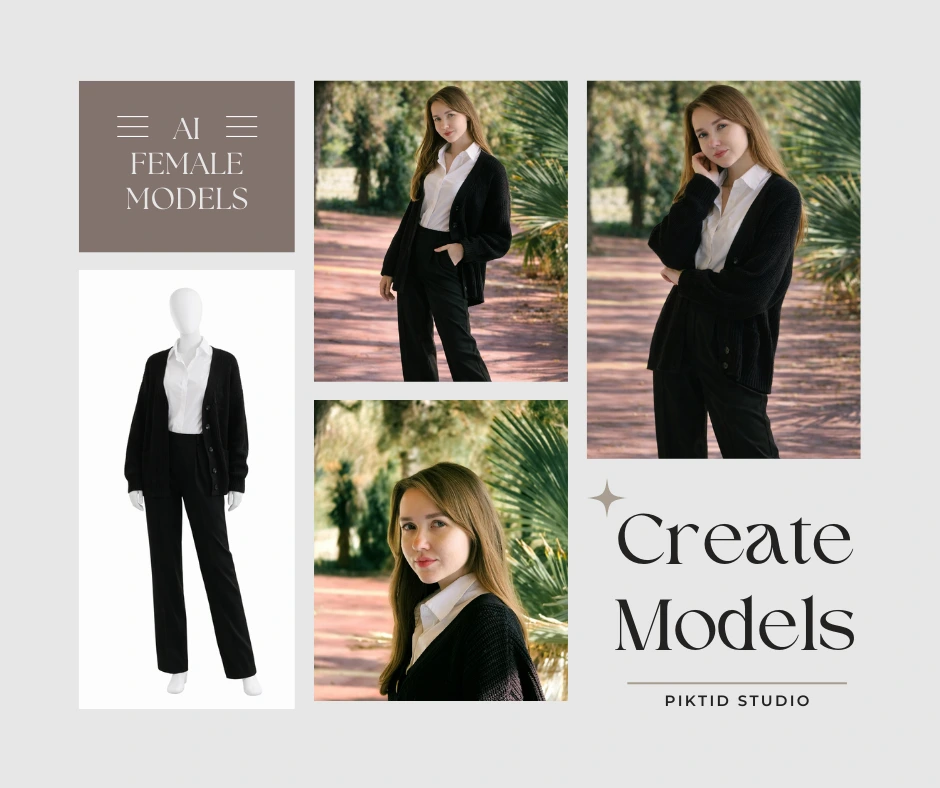
a. Why synthetic mannequins reduce legal risk
A Realistic Female Mannequin is not tied to a real person. This removes common risks associated with traditional model photography, such as consent disputes, image misuse, or licensing conflicts.
Zu den wichtigsten Vorteilen gehören:
- No dependency on human model contracts
- No ongoing usage or royalty negotiations
- No risk of post-campaign image misuse
- Safe reuse across markets and timelines
This makes synthetic mannequins especially valuable for long-term catalogs and global campaigns.
b. Avoiding identity misuse
Using real faces in fashion imagery can lead to unintended identity associations or misuse. A Realistic Female Mannequin eliminates this issue entirely because the identity is digitally created and owned by the brand.
This approach ensures:
- Clear ownership of visual assets
- No impersonation or misrepresentation
- Full control over where and how images appear
c. Responsible AI usage in fashion
Responsible use of AI in fashion means transparency, consistency, and ethical intent. A Realistic Female Mannequin supports this by offering a controlled, predictable visual system that avoids deceptive practices.
Brands can responsibly use AI by:
- Clearly representing products without exaggeration
- Maintaining accurate body proportions and fit
- Avoiding misleading edits that distort garments
d. Compliance with global privacy regulations
Because a Realistic Female Mannequin does not represent a real individual, it aligns well with global privacy standards such as GDPR and similar data protection frameworks. This simplifies compliance when operating across regions and platforms.
13. Conclusion
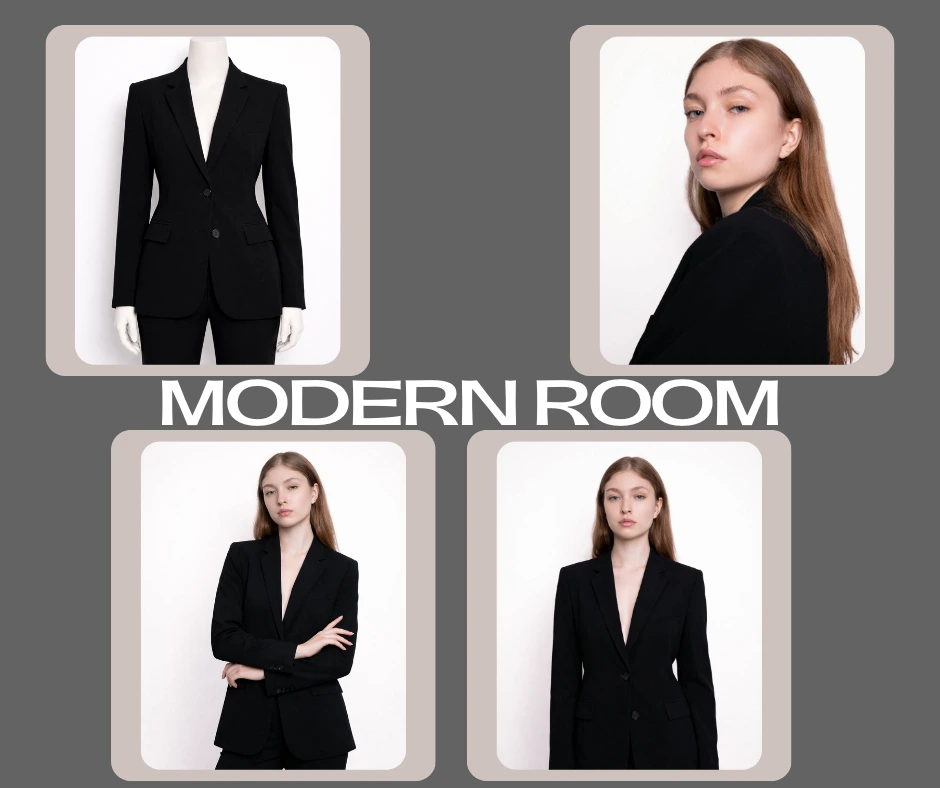
Fashion and e-commerce brands are under constant pressure to produce more visuals, faster, and with greater consistency. Traditional photo-shoots are expensive, slow, and difficult to scale. This is why the Realistic Female Mannequin has become an essential part of modern fashion workflows.
By using a Realistic Female Mannequin, brands gain:
- Consistent poses and proportions across collections
- High visual realism without physical photo-shoots
- Faster production cycles
- Lower long-term content costs
- A reusable digital asset that grows with the brand
Unlike physical mannequins or human models, digital mannequins are flexible. They can be reused, updated, styled differently, and adapted for multiple campaigns without starting from scratch. Over time, a Realistic Female Mannequin becomes a core brand asset rather than a one-time production expense.
Ready to create high-quality digital mannequins without physical photo-shoots?
Try PiktID with 10 free credits and build Realistic Female Mannequin visuals in minutes.
15. Frequently Asked Questions
1. What is a realistic female mannequin?
A Realistic Female Mannequin is a digitally generated model designed to showcase fashion products with lifelike proportions, textures, and poses. It is used in place of human models or physical mannequins for product photography and marketing visuals.
2. How are digital mannequins different from physical ones?
Digital mannequins offer flexibility that physical mannequins cannot. A Realistic Female Mannequin can change poses, outfits, expressions, and backgrounds without reshoots, making it far more adaptable for modern fashion workflows.
3. Can realistic female mannequins be used for product pages?
Yes. Many brands use a Realistic Female Mannequin for e-commerce product pages to ensure consistent presentation across their catalog. This approach improves visual uniformity and speeds up product launches.
4. Are AI mannequins legal for commercial use?
AI mannequins are legal for commercial use when they are synthetic and not based on a real individual. Using a Realistic Female Mannequin avoids privacy and licensing issues that can arise with real models.
5. How do brands maintain pose consistency using mannequins?
Brands maintain pose consistency by reusing the same mannequin structure and pose templates. A Realistic Female Mannequin allows identical framing and posture across multiple outfits, which is especially useful for comparison shopping.
6. Can I reuse the same mannequin across collections?
Yes. One of the main benefits of a Realistic Female Mannequin is reusability. Brands can apply the same mannequin across seasons, collections, and campaigns to build a recognizable visual identity.
7. What is Fashion Swap and how does it work?
Fashion Swap allows brands to change or update mannequin identities while keeping clothing, pose, and lighting intact. This makes it easy to refresh visuals without recreating the entire image.
8. Why should brands use anonymized mannequins?
An anonymized Realistic Female Mannequin removes identity-related risks and gives brands full ownership of their visuals. It ensures privacy compliance while maintaining a high level of realism.
9. How realistic are AI-generated mannequins?
Modern AI-generated mannequins are highly realistic, with accurate body proportions, fabric interaction, and lighting. A Realistic Female Mannequin can closely match the look of a professional studio model.
10. Where can I create a realistic female mannequin online?
You can create a Realistic Female Mannequin online using AI-powered platforms like PiktID, which allow brands to generate, customize, and reuse mannequin visuals without physical photo shoots.