
Estimated reading time: 17 minutes
1. Getting started with AI Generator
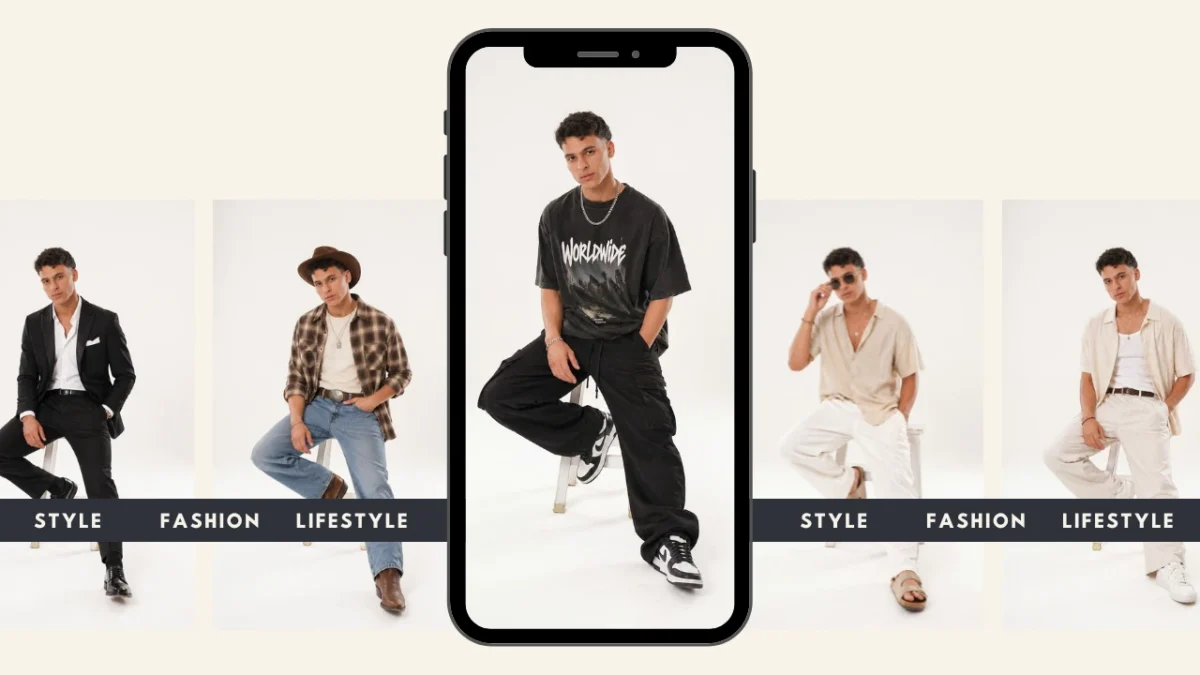
AI body technology represents the next major step after AI face generation and digital avatars. Instead of working with only facial features, AI body systems can now generate and edit complete human bodies with high visual accuracy. This shift allows brands and creators to control how a person looks, stands, and wears clothing without relying on physical models or studio shoots.
Modern AI tools make it possible to generate full-body human visuals with control over:
- Pose and body alignment
- Proportions such as height, build, and body shape
- Size variations for different audience segments
- Styling and garments without distortion
For commercial teams, AI solutions are especially valuable. Fashion brands, e-commerce sellers, designers, and marketers can produce consistent model imagery faster and at a lower cost. One of the most important advancements is the ability to change identity or body structure while keeping the garment untouched, ensuring product accuracy for catalogs and online listings.
In this guide, you will learn how AI technology works, where it is used, and how it can be applied commercially to scale content creation while maintaining realism and brand consistency.
2. What Is AI Body and Why It Matters
Table of Contents

AI body refers to artificial intelligence systems that understand, generate, and edit the human body in visual content. Instead of manually adjusting images, AI tools analyze anatomy, posture, and proportions to create realistic full-body representations automatically.
AI body generator is different from other related technologies:
- AI face generation focuses only on facial features, not full anatomy
- 3D character modeling requires manual rigging and technical expertise
- Traditional CGI mannequins are static and often look unnatural
What makes an AI body valuable is its ability to work directly with realistic images while maintaining natural human structure.
Many industries face ongoing production challenges that AI tools help solve:
- Photoshoots are expensive and time-consuming
- Models offer limited pose and size variation
- Maintaining consistent sizing across catalogs is difficult
- Content updates often require complete re-shoots
As fashion and retail brands scale globally, AI body solutions allow them to create more visuals without increasing production costs. By using AI-generated bodies, brands can quickly adapt poses, sizes, and identities while preserving garments and visual quality. This is why AI tools are becoming essential for modern content and commerce workflows.
3. How AI Body Generators Work

AI body generators are powered by deep learning models trained to understand how the human body looks, moves, and interacts with clothing. Instead of editing pixels manually, an AI system builds a structural understanding of the human form and then generates or modifies visuals based on that understanding.
At a high level, AI generation relies on neural networks trained on millions of human images, poses, and body variations. These models do not simply copy patterns. They learn relationships between anatomy, posture, and visual context to produce realistic results.
i. How AI Understands the Human Body
An AI system breaks down the human figure into structured components before generating or editing an image.
Key elements it understands include:
- Human anatomy such as torso length, limb joints, shoulders, hips, and spine alignment
- Proportions between different body parts to avoid distortion
- Pose physics, including balance, weight distribution, and natural movement
- Fabric interaction, ensuring clothing follows body contours instead of stretching unnaturally
This structural awareness is what allows AI tools to maintain realism even when changing body shape or pose.
ii. Static vs Pose-Aware Body Generation
Not all AI systems work the same way. Static body generation focuses on:
- Single-position models
- Minimal movement or pose variation
- Basic body edits
Pose-aware generation is more advanced and allows:
- Controlled body positioning
- Consistent posture across multiple images
- Natural transitions between poses
For professional fashion and commercial workflows, pose-aware AI body generation is essential.
iii. Garment-Preserving Workflows Explained
One of the most important advancements in AI technology is garment preservation. In garment-preserving workflows:
- The clothing layer is separated from the body structure
- The AI body model changes shape, size, or pose underneath
- Fabric drape, folds, and textures remain untouched
This is why body shape or identity can change without modifying the garment itself. The AI treats clothing as a protected visual layer rather than something to regenerate.
iv. Role of Training Data and Visual Consistency
The quality of an AI body generator depends heavily on its training data. Models trained on diverse body types, poses, and lighting conditions produce more consistent results. High-quality AI systems prioritize:
- Anatomical accuracy
- Realistic proportions
- Consistent identity and pose behavior
- Minimal visual artifacts
This consistency is critical for professional use cases such as fashion catalogs and digital campaigns.
NSFW : Refer to our blog How to Create an AI Model for Only Fans
4. AI Human Body Model

i. What Is an AI Human Body Model?
An AI human body model is a digital representation of a human figure created using AI technology. It is designed to replicate realistic proportions, posture, and movement while remaining fully editable.
Unlike traditional 3D avatars or static images, an AI model can be adjusted dynamically while maintaining realism and visual integrity.
Core capabilities include:
- Realistic body structure modeling
- Pose and stance control
- Proportion-aware resizing
- Identity and body type variation
ii. How AI Human Body Models Are Created
AI human body models are generated using reference data such as images, pose maps, and body landmarks. The AI body system analyzes this data to understand structure, alignment, and scale.
From there, the model can generate new variations without rebuilding the image from scratch. This allows for fast and consistent updates across multiple visuals.
iii. Level of Control Available
Modern AI systems offer fine-grained control over physical attributes while preserving realism.
Common controls include:
- Height adjustments without distortion
- Body type changes such as slim, athletic, or curvy
- Proportion tuning for shoulders, waist, and hips
- Pose and stance selection for consistent positioning
These controls are especially valuable for fashion and digital modeling workflows.
iv. Where AI Human Body Models Are Used
AI human body models are now widely adopted across creative and commercial industries. Common use cases include:
- Fashion look-books with consistent model proportions
- Virtual photo-shoots without physical setups
- Marketing campaigns requiring fast visual variation
- Concept design and prototyping before production
Because AI models are reusable, brands can maintain visual consistency across seasons and platforms.
v. Advantages Over Traditional Models
Using AI generated models offers clear advantages compared to traditional photography or manual editing.
Key benefits include:
- Faster iteration without scheduling photo-shoots
- No re-shoots or location constraints
- Consistent proportions across all images
- Easy demographic and body-type testing
- Scalable content creation for large catalogs
For teams producing high volumes of visual content, AI body models significantly reduce cost, time, and operational complexity.
Read more about How to Create AI Model Girl Online
5. AI Generated Body Avatar

i. What Is an AI Generated Body Avatar?
An AI generated body avatar is a digitally created human body built using AI technology. Unlike a single AI image, an avatar is designed to be reusable, editable, and consistent across multiple images and campaigns.
An AI avatar represents a full human structure, including posture, proportions, and visual identity. It can be placed into different scenes, poses, and outfits while maintaining the same core body characteristics.
ii. Difference Between a Body Avatar and a Simple AI Image
A simple AI image is usually a one-time output. It looks realistic but cannot be reliably reused or edited. An AI avatar, on the other hand:
- Maintains the same body proportions across images
- Supports pose changes without distortion
- Allows identity reuse over time
- Works across different backgrounds, outfits, and campaigns
This makes AI body avatars suitable for professional and commercial workflows rather than one-off visuals.
iii. How Avatars Maintain Identity Across Images
AI systems store structural and visual identity data rather than pixel-level information. This allows the avatar to remain consistent even when conditions change.
Identity consistency is achieved through:
- Fixed body proportions and posture rules
- Stable facial-to-body alignment
- Controlled pose transformations
- Garment-aware rendering
As a result, brands can use the same AI avatar repeatedly without visual drift.
iv. Use of AI Generated Body Avatar
AI body avatars are widely used across multiple industries because they remove the need for repeated photo-shoots. Common use cases include:
- Personal branding for creators and professionals
- Influencers building a consistent digital presence
- Virtual fitting rooms for apparel and fashion brands
- Digital catalogs requiring uniform model presentation
These avatars help maintain consistency while allowing creative flexibility.
v. Identity Control and Reusability
One of the biggest advantages of AI avatars is precise identity control. Brands can:
- Change body shape without changing clothes
- Maintain garment fit, folds, and realism
- Reuse the same avatar across multiple campaigns
- Apply the avatar to different poses and scenes
This ensures visual consistency while supporting large-scale content production.
vi. Commercial Use Considerations
When using AI avatars commercially, ethical and legal aspects matter. Key considerations include:
- Use of synthetic identities to avoid privacy risks
- Clear ownership of generated assets
- Licensing terms for commercial usage
- Brand-safe representation across markets
Professional AI body platforms are designed to support compliant and responsible use at scale.
Additional Resource : AI Model Swap
6. AI Fashion Body Model

i. Why Fashion Brands Are Adopting AI Fashion Body Models
Fashion brands face constant pressure to produce more visuals faster, across sizes and styles. AI body technology addresses these challenges by enabling scalable, repeatable model generation.
Traditional shoots are expensive and slow. AI fashion body models reduce cost while increasing creative control.
ii. Fashion-Specific Needs Solved by AI Body Systems
Fashion imagery requires precision. AI tools are built to handle these exact requirements. Key fashion needs include:
- Pose consistency across product images
- Size variations for inclusive representation
- Multiple body types using the same garment
- Fast updates for seasonal collections
AI body models allow brands to meet these needs without reshooting products.
iii. Garment-Preserving Body Editing
One of the most critical requirements in fashion is preserving the garment. AI fashion body models allow:
- Body size changes without touching garments
- Pose changes while preserving drape and folds
- Identity swaps without altering outfit structure
This ensures the product remains visually accurate, which is essential for e-commerce trust and conversions.
iv. Fashion Swap Workflows
Fashion Swap is a workflow designed specifically for apparel and clothing visuals using AI systems. Instead of editing the clothing, the AI adapts the body underneath it.
A typical Fashion Swap workflow includes:
- Selecting a garment image
- Applying a new body type or size
- Locking garment shape and fabric behavior
- Generating multiple poses or identities
v. Key Benefits of Fashion Swap with AI Body
Fashion Swap unlocks scale and flexibility for brands. Core advantages include:
- One garment shown on multiple body types
- One photo-shoot reused for unlimited poses
- Faster catalog production cycles
- Reduced dependency on physical models
This makes AI body fashion workflows ideal for modern e-commerce, DTC brands, and global apparel companies. PiktID and On model offers AI in Fashion Industry on Model
7. Pose Consistency, Size Variations, and Identity Changes

i. Why pose consistency matters in fashion catalogs
In fashion and e-commerce, inconsistent poses can make products look uneven and unprofessional. When each image shows a different stance or camera angle, customers struggle to compare items accurately. AI technology solves this by locking posture and alignment across an entire catalog.
Pose consistency helps brands:
- Maintain a clean and uniform visual style
- Improve product comparability across sizes and colors
- Increase trust by showing garments in predictable positions
- Reduce bounce rates caused by confusing visuals
With AI systems, the same pose can be reused across dozens or even hundreds of images.
ii. How AI ensures consistent posture and camera angles
AI body models analyze key body landmarks such as shoulders, hips, spine, and limb positions. These reference points allow the system to reproduce the same posture even when changing the model identity or body shape. This results in:
- Identical camera framing across images
- Stable body alignment from head to toe
- Natural weight distribution and balance
- Fewer visual artifacts or distortions
Because the AI body understands structure rather than pixels alone, the output remains realistic and proportional.
iii. Size variation use cases powered by AI body
One of the most valuable applications of AI body technology is size variation without reshooting garments. Common use cases include:
- Inclusive fashion
Brands can display the same outfit on multiple body sizes, helping customers see how clothing looks on different builds. - Fit visualization
Shoppers get a clearer understanding of garment drape, length, and silhouette across sizes. - Global market adaptation
The same clothing can be shown on region-specific body proportions without altering the garment itself.
This allows fashion brands to serve diverse audiences without increasing production complexity.
iv. Identity changes without garment distortion
Traditional editing tools often stretch or warp clothing when changing body shape or identity. AI body workflows avoid this problem by separating the garment layer from the body structure.
With AI body systems:
- The garment remains untouched
- Fabric folds and textures stay intact
- Logos, seams, and patterns are preserved
- Body identity changes happen underneath the clothing
This is especially important for product accuracy in e-commerce listings.
v. Real-world examples in fashion and e-commerce
AI technology is already being used by brands to:
- Create a single photoshoot and reuse it across sizes
- Swap model identities for different regional campaigns
- Maintain consistent poses across seasonal catalogs
- Reduce dependency on repeated studio shoots
These workflows significantly reduce costs while increasing content output.
Refer to our AI Outfit changer guide by PiktID
8. Use Cases Across Industries

i. Fashion & Apparel
AI body tools are widely adopted in fashion for scalable and consistent visuals. Common applications include:
- Lookbooks with identical poses across collections
- Product listings with consistent framing
- Size-inclusive visuals without additional photo-shoots
This improves customer confidence and visual cohesion.
ii. E-commerce & Retail
Retailers use AI body generation systems to accelerate production timelines. Key benefits include:
- Faster product launches
- Reduced studio, model, and logistics costs
- Easy localization for different markets and demographics
AI workflows allow brands to update visuals without disrupting operations.
iii. Creators & Designers
Designers and independent creators use AI body tools for experimentation and presentation.
Typical use cases:
- Creating virtual models for design previews
- Building portfolio visuals without hiring models
- Producing concept art and design mockups
On-model enables rapid iteration without physical constraints.
iv. Marketing Teams
Marketing teams rely on AI body systems for flexible, high-volume creative production. Popular applications include:
- Campaign testing with different body types or identities
- Ad creatives tailored to specific audiences
- Social media visuals that stay consistent across formats
By using AI technology, marketing teams can scale content while maintaining visual quality and brand alignment. For Marketing and Fashion Teams, PiktID offers a detailed guide on Change Clothes AI.
9. AI Body by On-model vs Traditional Fashion Modeling

The rise of AI body technology has fundamentally changed how fashion brands create and scale visual content. Instead of relying solely on physical models and studio shoots, brands can now generate, edit, and reuse digital bodies with far greater control and efficiency.
Below is a practical comparison between AI workflows and traditional fashion modeling.
Comparison Table
| Factor | AI Body Modeling by On-model | Traditional Fashion Modeling |
| Cost | Significantly lower production costs once set up | High recurring costs for models, studios, logistics |
| Speed | Images generated or edited in minutes | Photoshoots require days or weeks |
| Flexibility | Bodies, poses, and identities can be changed instantly | Changes require reshoots or new models |
| Pose Variety | Unlimited pose variations with consistent garments | Limited by time, fatigue, and shoot constraints |
| Size Inclusivity | Easy to represent multiple body sizes digitally | Often restricted by available models |
| Reusability | Same AI body can be reused across campaigns | Each shoot produces fixed assets |
| Scalability | Scales to thousands of images with minimal effort | Scaling requires more shoots and resources |
Why Brands Are Adopting AI Body Workflows
AI systems allow fashion teams to:
- Maintain consistent poses across look books
- Show the same garment on multiple body types
- Localize visuals for different markets
- Reduce dependency on repeated photo-shoots
This level of control is nearly impossible to achieve with traditional modeling alone.
Refer : AI Clothes Changer
10. Ethics, Representation, and Responsible AI Body Use

As AI technology becomes more common, responsible usage is essential. While it offers powerful creative advantages, it must be applied thoughtfully to avoid reinforcing harmful norms or misleading audiences.
i. Importance of Realistic Body Representation
AI tools should reflect natural human diversity rather than idealized or extreme proportions. Responsible representation helps:
- Promote inclusivity
- Build trust with audiences
- Avoid unrealistic beauty expectations
Using varied body types in fashion visuals improves relatability and consumer confidence.
ii. Avoiding Harmful Beauty Standards
When using AI body generation or editing:
- Avoid exaggerating body proportions
- Do not promote unattainable physiques
- Ensure garments look natural on all body sizes
The goal is realism and accuracy, not distortion.
iii. Transparency with AI-Generated Visuals
Brands should be open about when visuals are AI-generated. Transparency:
- Builds consumer trust
- Reduces misleading advertising claims
- Aligns with emerging AI disclosure guidelines
Clear labeling helps audiences understand how content is produced.
iv. Using Synthetic Bodies Responsibly in Marketing
Synthetic AI models are best used when:
- Real models are unavailable or impractical
- Privacy is a concern
- Large-scale variation is required
They should not be used to impersonate real individuals or misrepresent endorsements.
v. Privacy and Consent Considerations
Responsible AI usage requires:
- Ownership or permission for all source data
- Avoiding unauthorized likeness replication
- Preferencing fully synthetic bodies when possible
Privacy-first workflows protect both brands and audiences while ensuring ethical compliance.
11. Conclusion

How AI body technology is reshaping fashion and digital content
AI body technology is changing how brands create, edit, and scale human visuals. Instead of relying on repeated photo-shoots, manual retouching, or inconsistent models, teams can now generate and modify realistic human bodies using AI. This allows fashion and digital brands to move faster while maintaining visual accuracy and creative control.
In fashion workflows, AI systems enable body changes without altering garments. Brands can visualize the same outfit across multiple body sizes, poses, or identities while keeping fabric structure, fit, and drape intact. For digital content teams, AI tools simplify production by removing the need for repeated model sourcing or physical setup.
Key benefits of using AI body tools
- Faster content creation with no dependency on physical photoshoots
- Consistent poses and body alignment across campaigns and catalogs
- Significant cost reduction in production, logistics, and retouching
- Greater creative freedom to test styles, sizes, and identities instantly
Why AI body is a competitive advantage
Modern brands compete on speed, personalization, and visual quality. AI tools allow teams to produce more variations, respond to trends faster, and maintain consistent brand visuals across platforms. As consumer expectations rise, using AI technology becomes less of an experiment and more of a requirement for scalable growth.
Ready to create realistic human visuals with AI body technology?
Try AI body generation and fashion-focused workflows with On-model and get 10 free credits.
Visit https://on-model.com to get started today.
12. FAQs
1. What is an AI body generator?
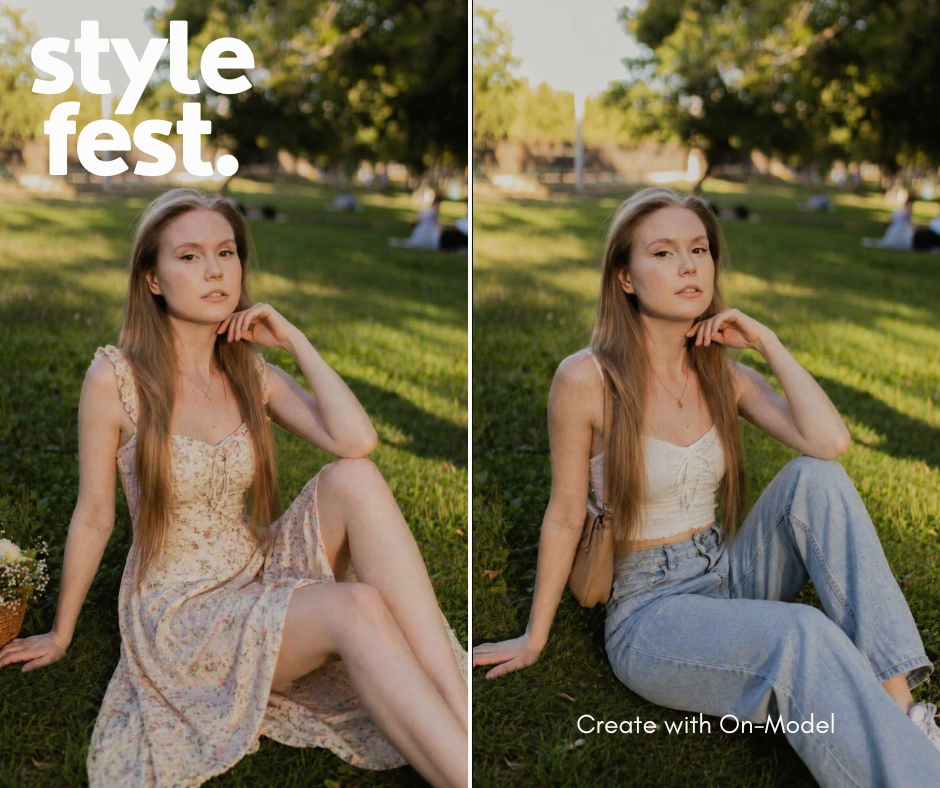
An AI body generator is a system that creates or edits human body visuals using artificial intelligence. It can generate realistic bodies, adjust poses, change body sizes, or swap identities while keeping clothing and visual context intact. These tools are widely used in fashion, fitness, gaming, and digital media.
2. How accurate are AI human body models?
On-model models are highly accurate when trained on diverse datasets and used with high-quality inputs. They understand body proportions, posture, and symmetry, allowing them to produce natural-looking results suitable for commercial use. Accuracy improves further when pose and lighting are consistent.
3. Can AI generate different body sizes for the same outfit?
Yes. On-model allows brands to visualize the same garment across multiple body sizes without stretching or distorting the clothing. This is especially useful for fashion brands that want inclusive representation and accurate size previews without reshooting products.
4. What is an AI generated body avatar used for?
An AI generated body avatar is commonly used for virtual modeling, digital try-ons, gaming characters, fitness simulations, and marketing visuals. Brands also use these avatars to maintain consistent identities across campaigns while reducing dependency on physical models.
5. How does AI fashion body modeling work?
AI fashion body modeling analyzes the structure of the human body and the garment separately. The AI body system modifies pose or size while preserving fabric shape, folds, and fit. This ensures that clothing remains visually accurate even when the model body changes.
6. Is AI body generation legal for commercial use?
Yes, AI body generation is legal for commercial use when brands own the input images or use synthetic identities. Many companies prefer AI-generated bodies to avoid consent, licensing, and privacy issues associated with real human models.
7. Can AI body tools replace fashion photoshoots?
AI body tools do not fully replace photoshoots but significantly reduce their frequency. Many brands now use a hybrid approach, combining a limited number of base shoots with AI body generation to scale content, create variations, and speed up production.
8. Where can brands try AI body generation tools?
Brands can try professional AI body generation tools through platforms like On-model. The studio offers fashion-focused workflows, realistic body modeling, and free credits to test AI body capabilities before scaling.