How a Small Italian Boutique Cut Catalog Photography Costs by 93% — Without Sacrificing Quality
AI fashion photography is changing the way small retailers produce product images. In this case study, we partnered with a local clothing shop to test whether AI-generated catalog imagery can truly match the quality of a traditional photo shoot, and how much money it saves in the process.
The Client
Just Fashion is an independent clothing shop located in Fagagna, a small town in the province of Udine, in Italy’s Friuli-Venezia Giulia region. Like many local retailers, Just Fashion competes visually with larger brands and e-commerce players, all on a fraction of the budget.
The Challenge: Affordable Product Photography for a Small Shop
Just Fashion needed professional product images to advertise its collections and promote its shop activity. However, for a small business, the cost of a traditional photo shoot adds up quickly. Hiring models, booking a photographer, and covering post-production can easily turn a simple catalog update into a significant expense.
Therefore, we asked a straightforward question: can AI fashion photography deliver the same results at a lower cost?
How We Set Up the AI Fashion Photography Experiment
To find out, we set up a direct, side-by-side comparison between traditional catalog photography and AI-generated imagery using On-Model.
What we did
To answer that question, we organized a direct, side-by-side comparison between traditional catalog photography and AI-generated imagery using On-Model.
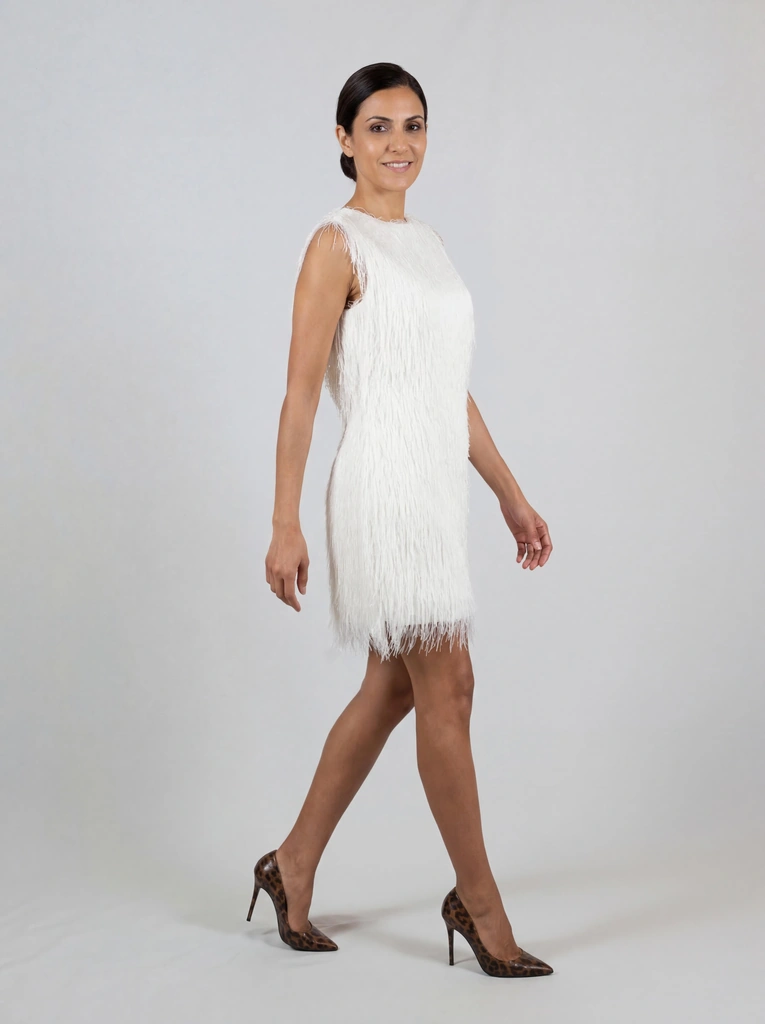
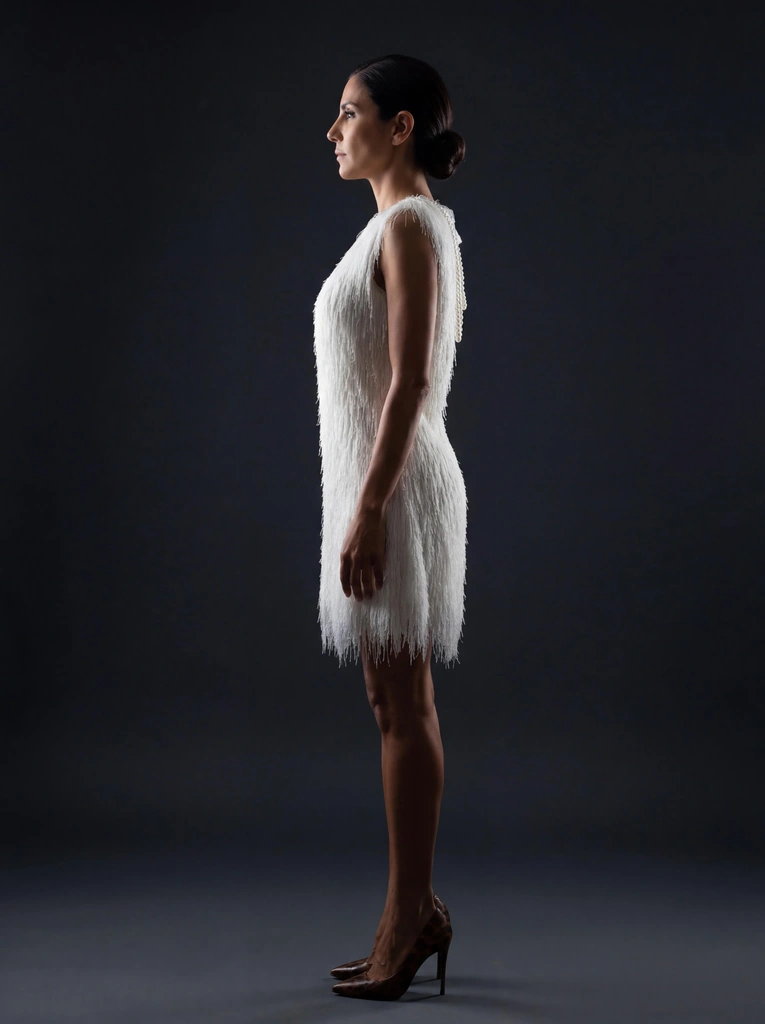
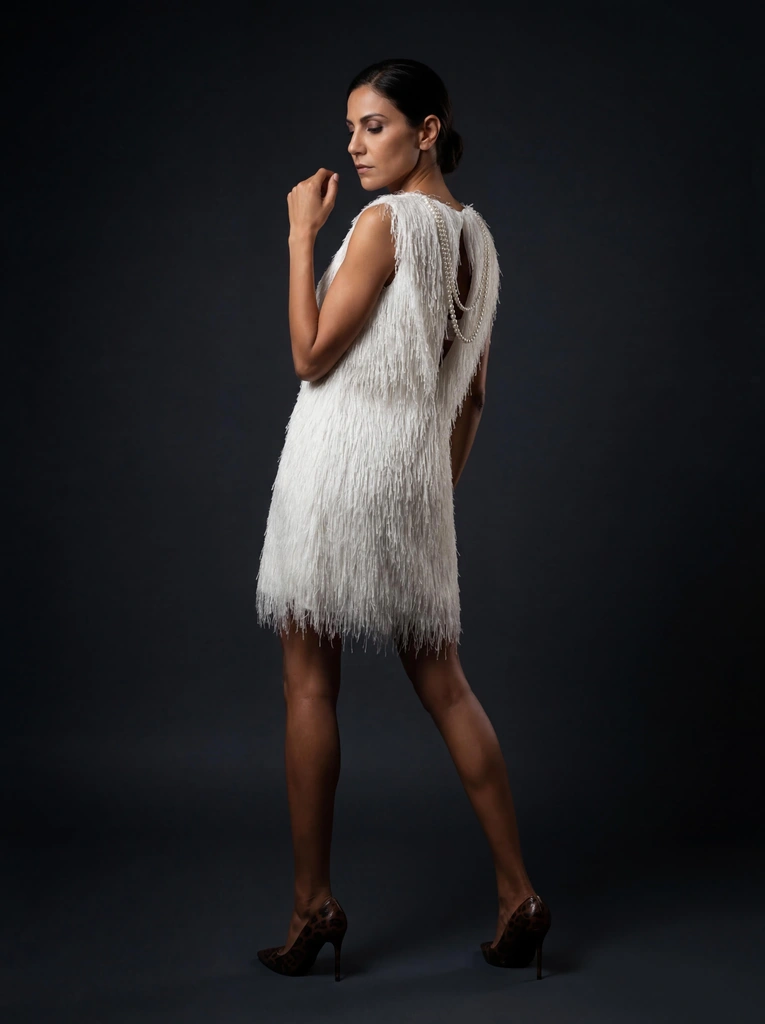
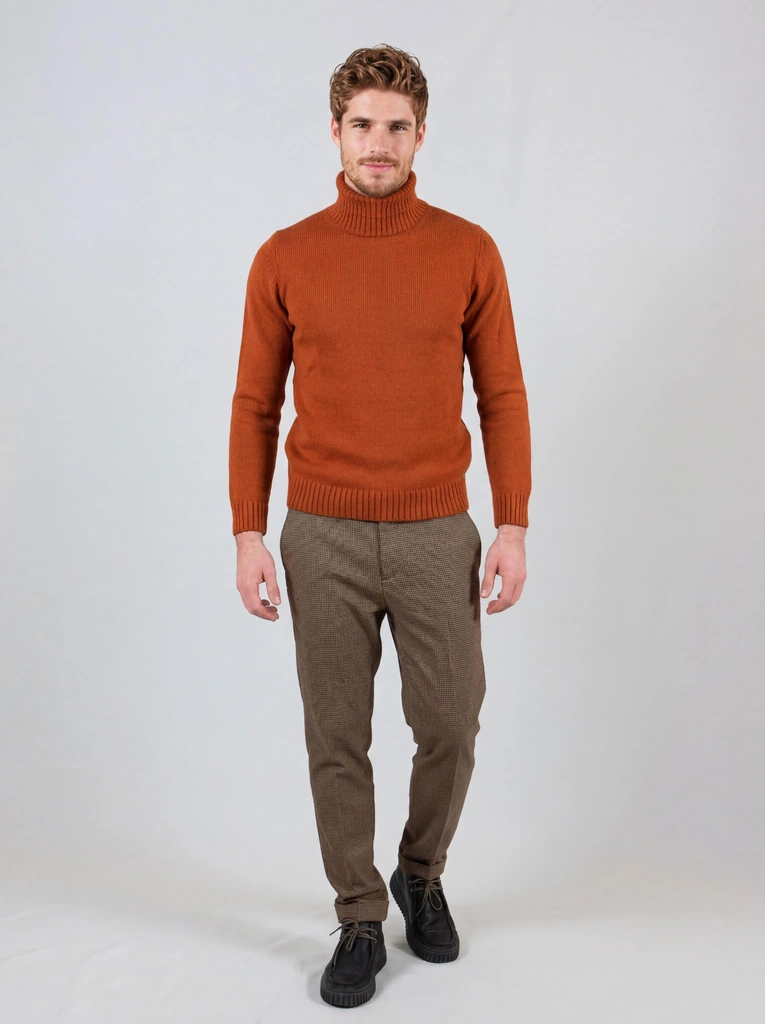
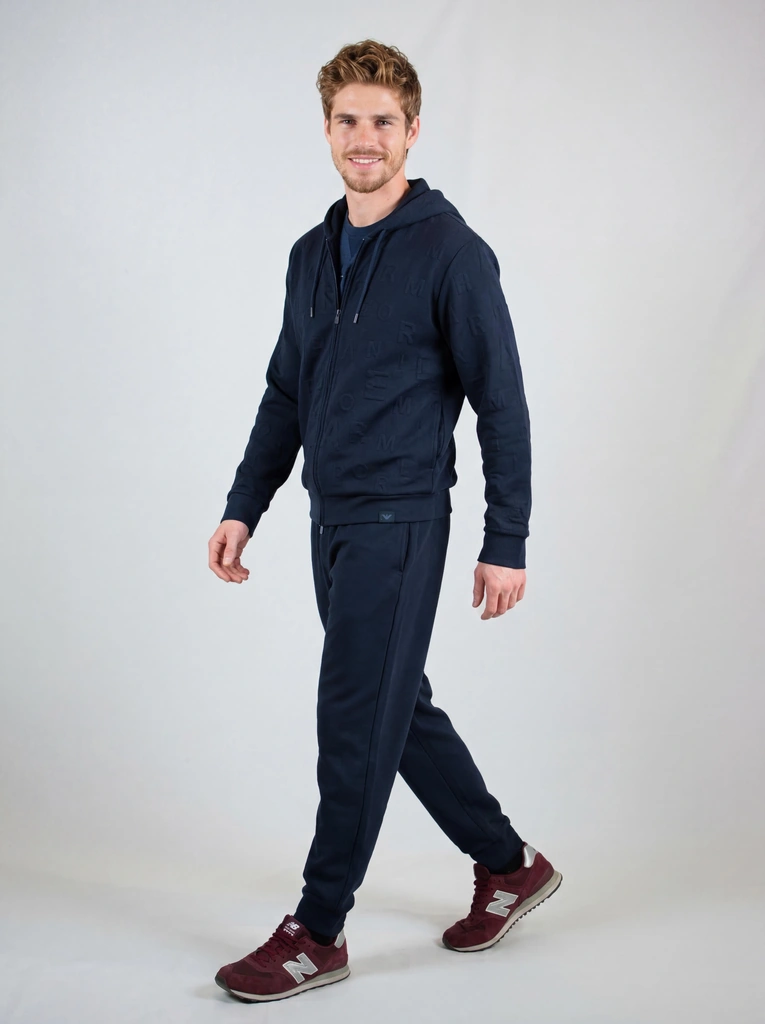
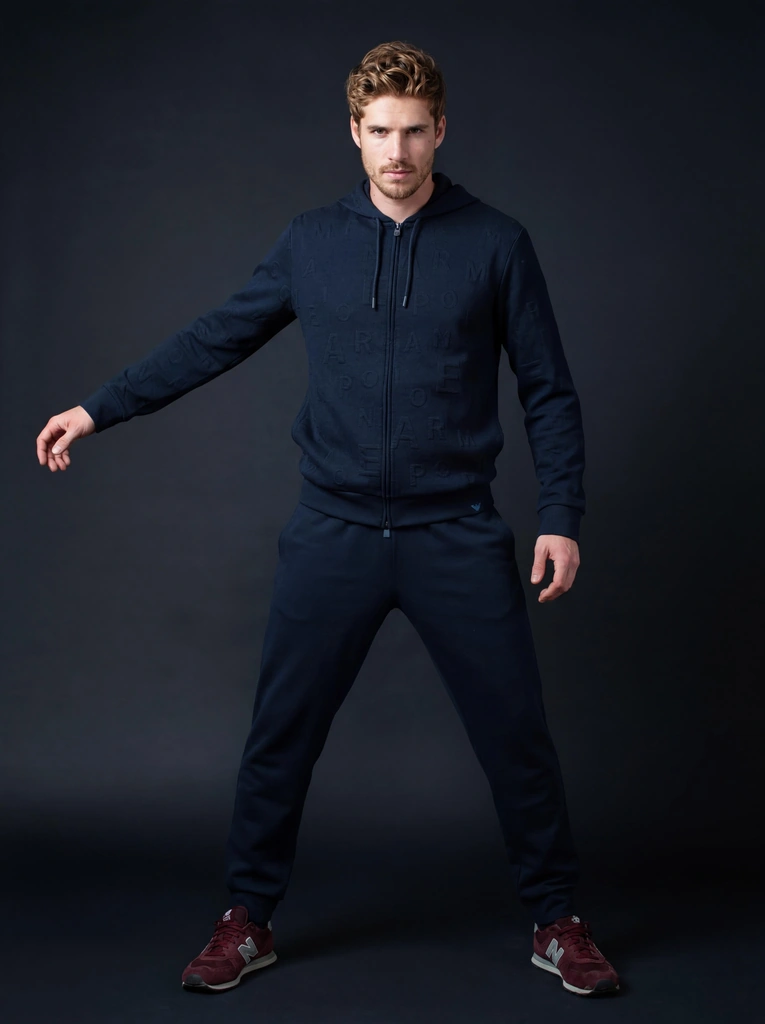
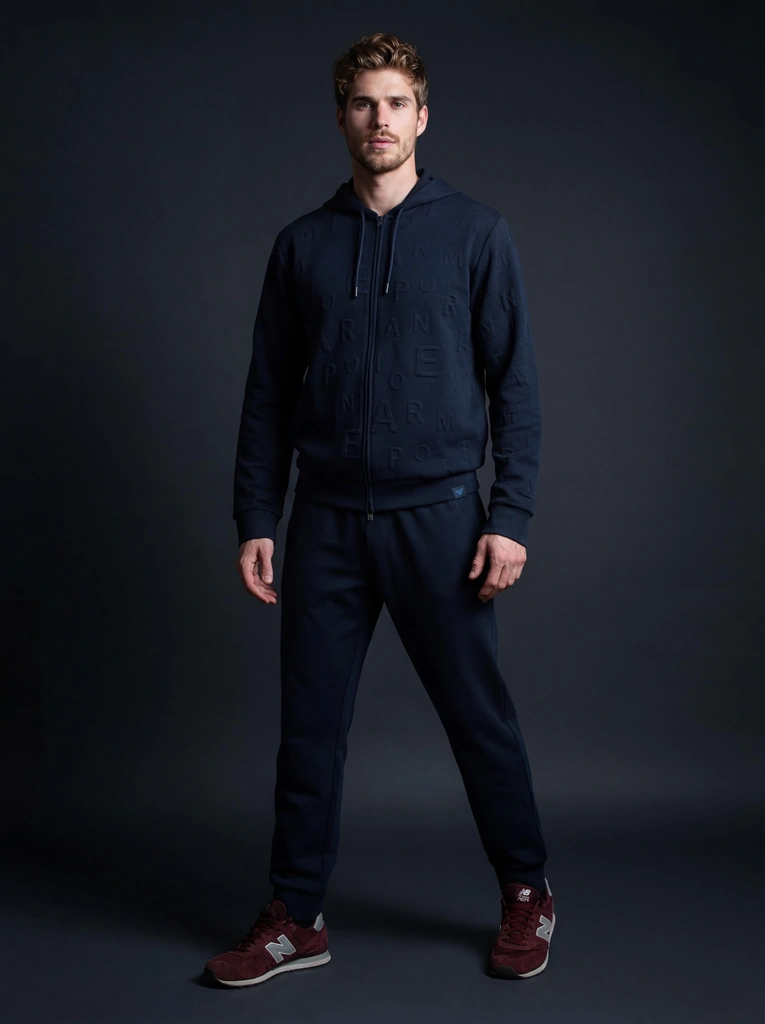
We prepared 10 outfits: 5 menswear and 5 womenswear look, and booked 2 professional models along with 1 photographer. Then, we photographed each outfit in two ways:
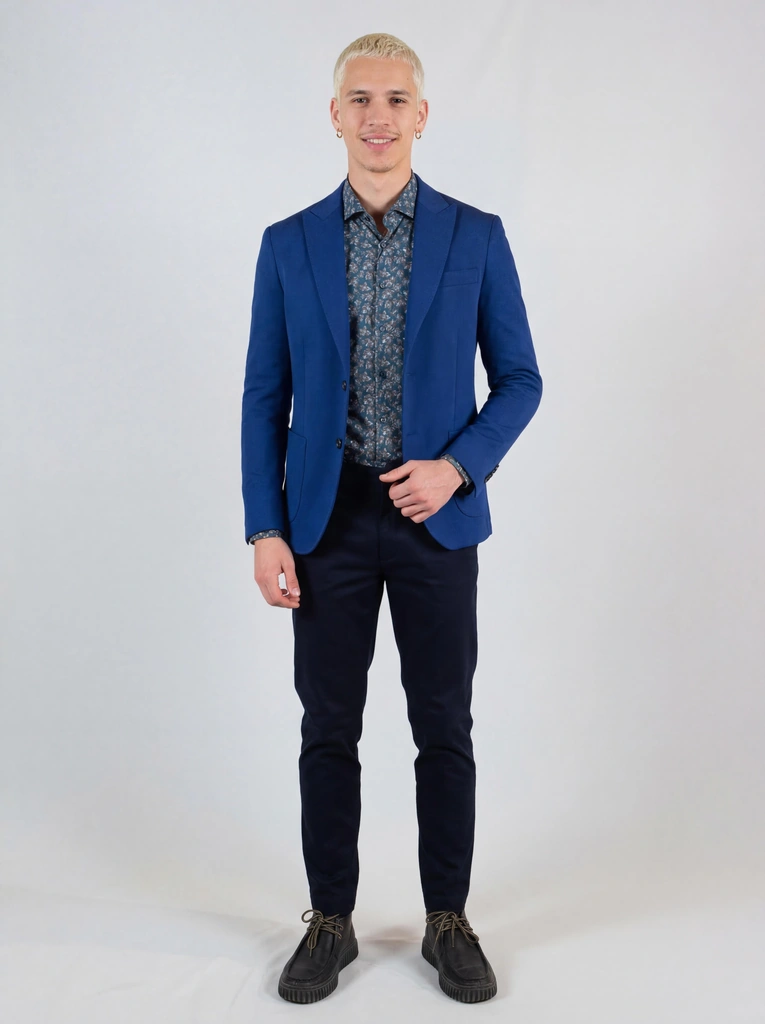
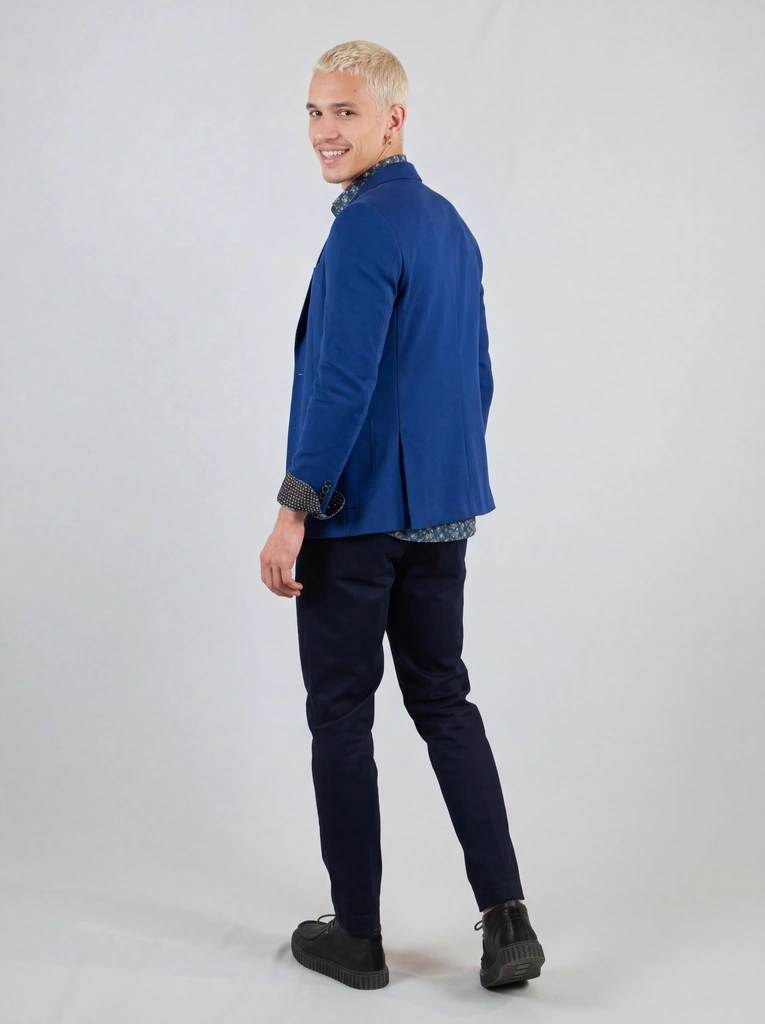
1. On-model: worn by the models and shot by the photographer in a traditional studio setup.
2. Flat lay: the same garments laid out flat and photographed from above.
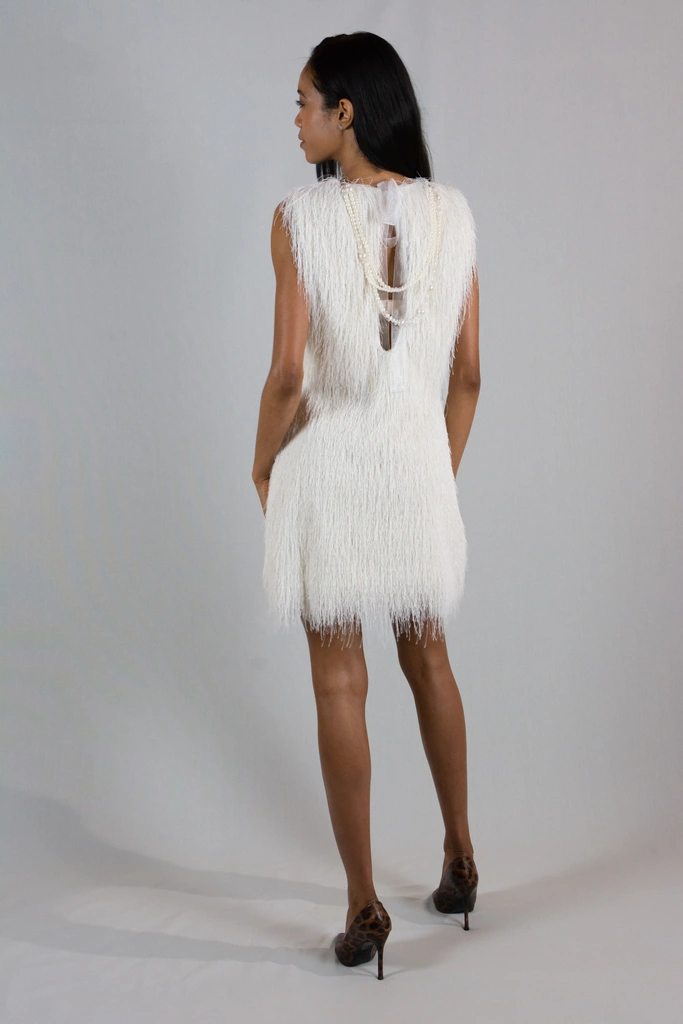
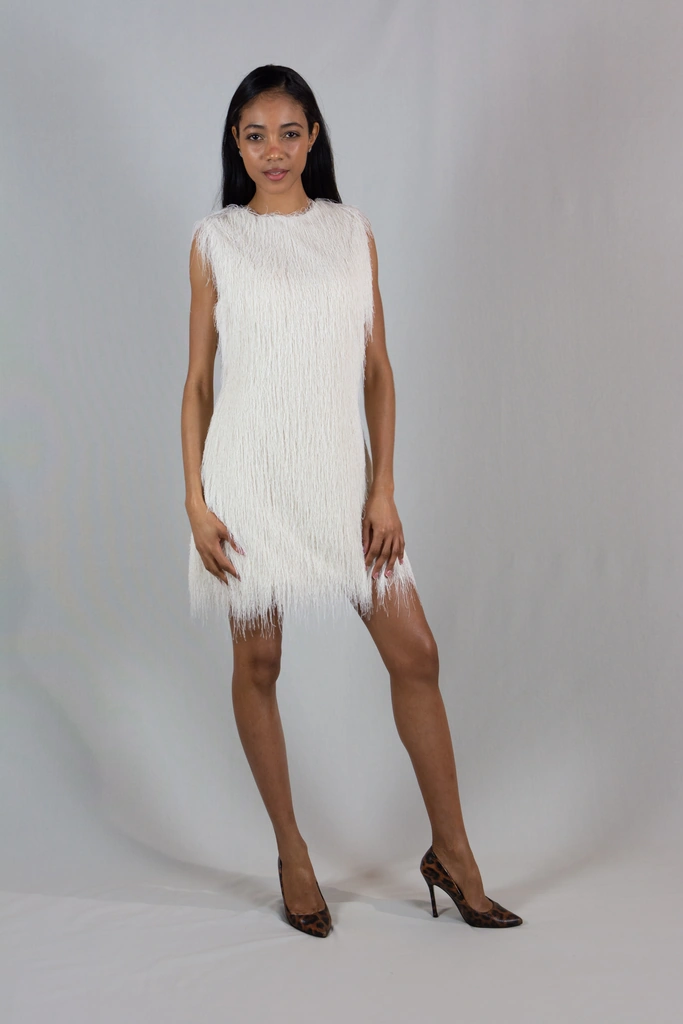
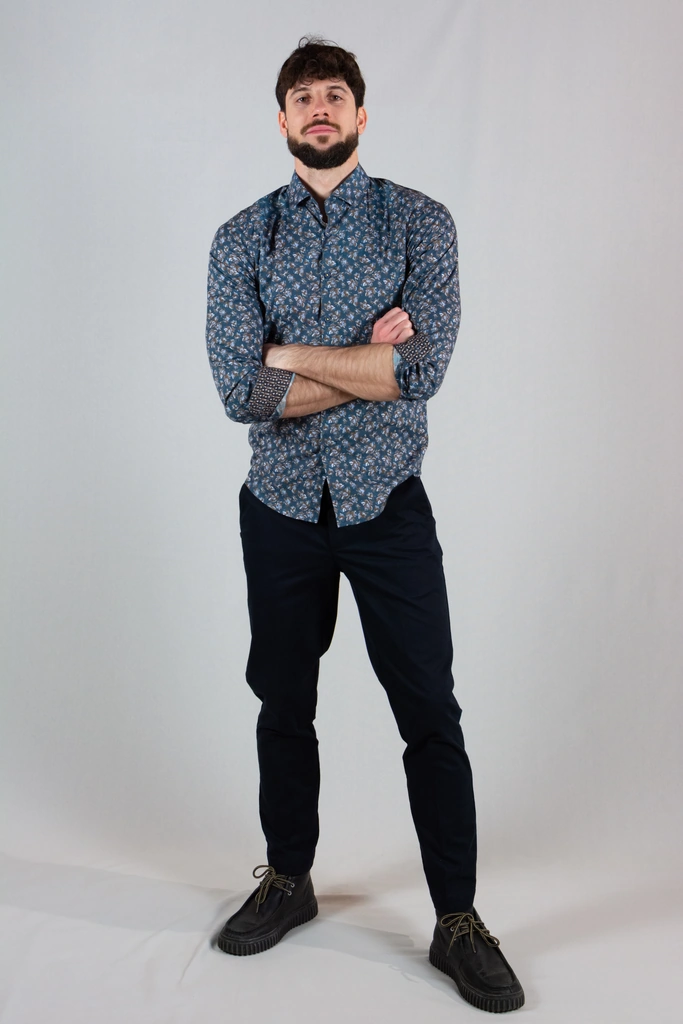
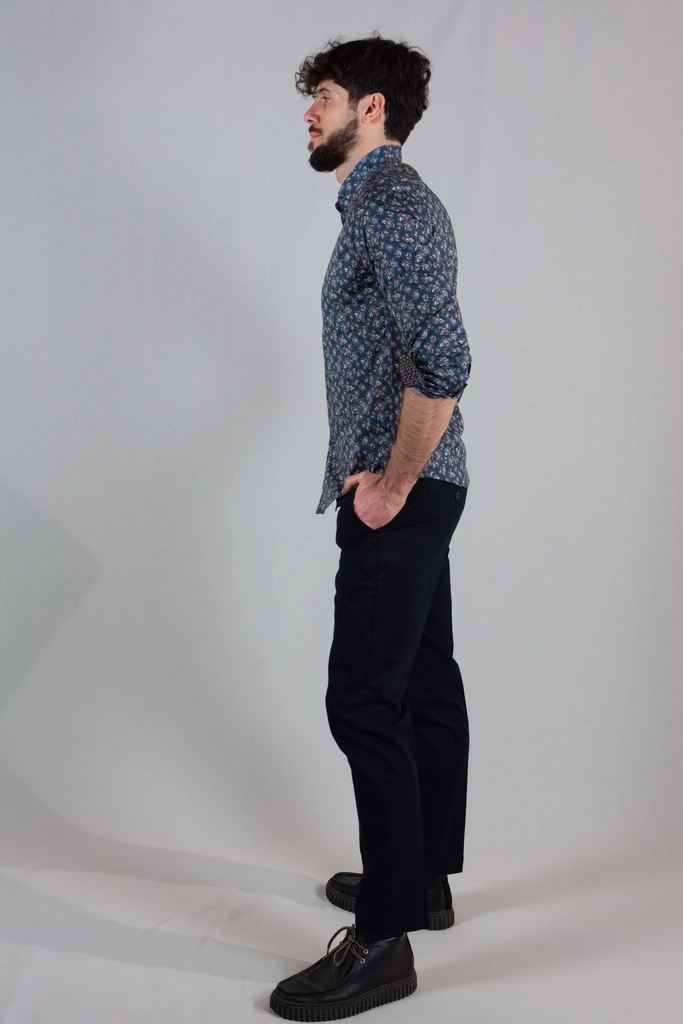
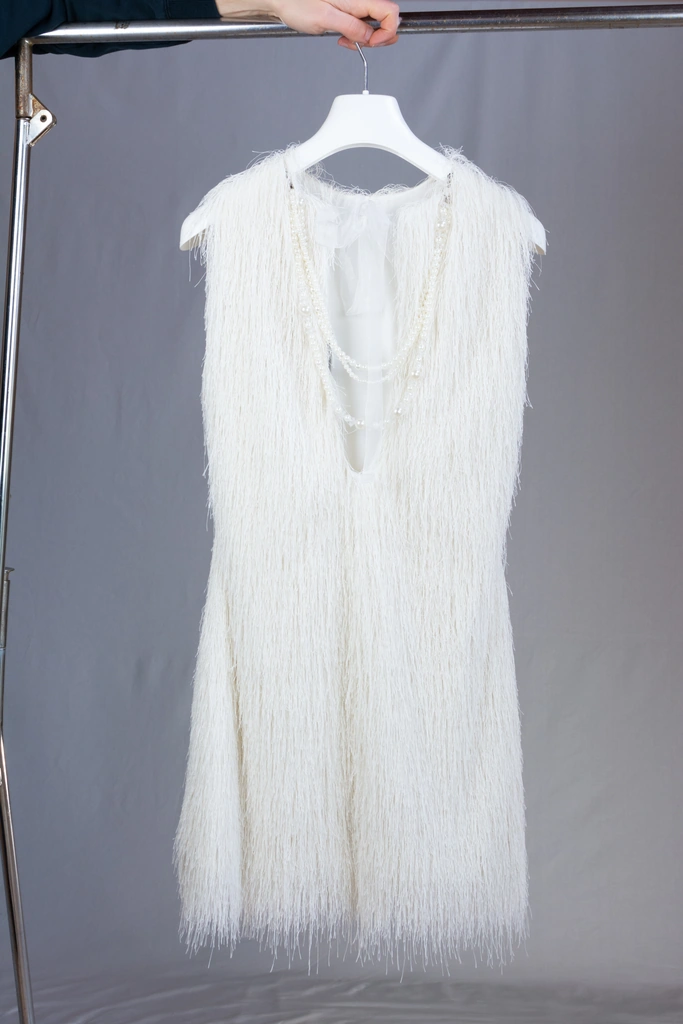
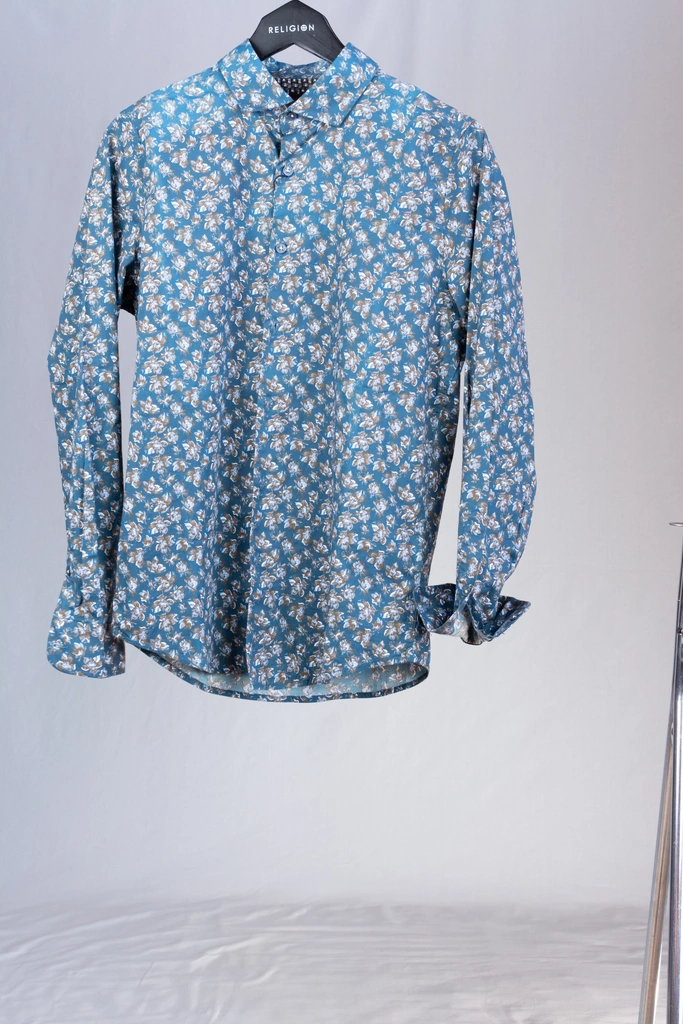
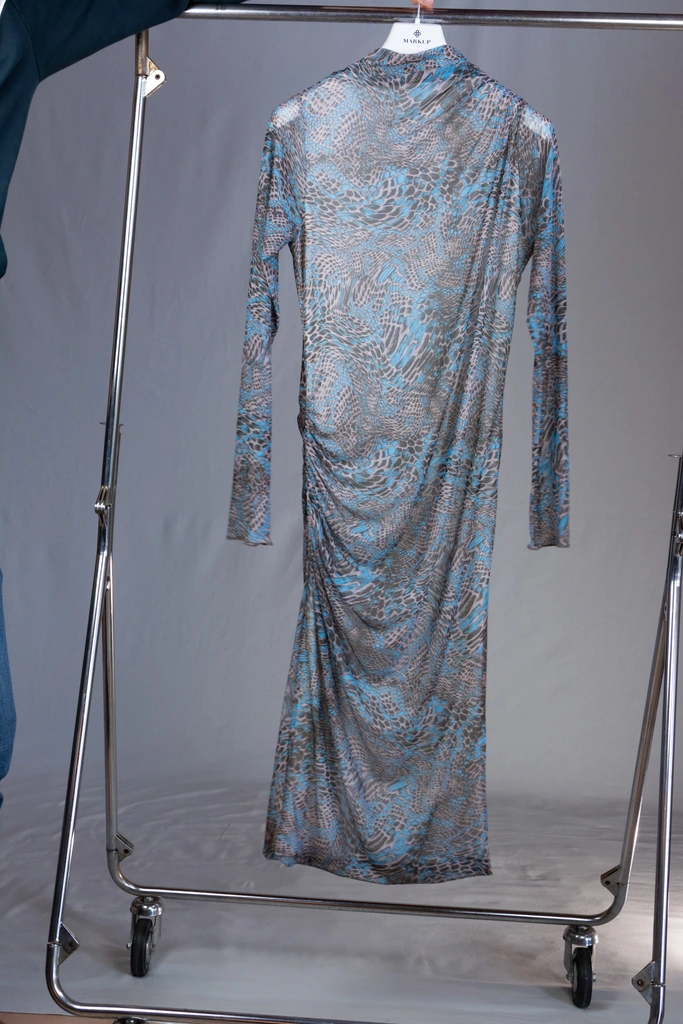
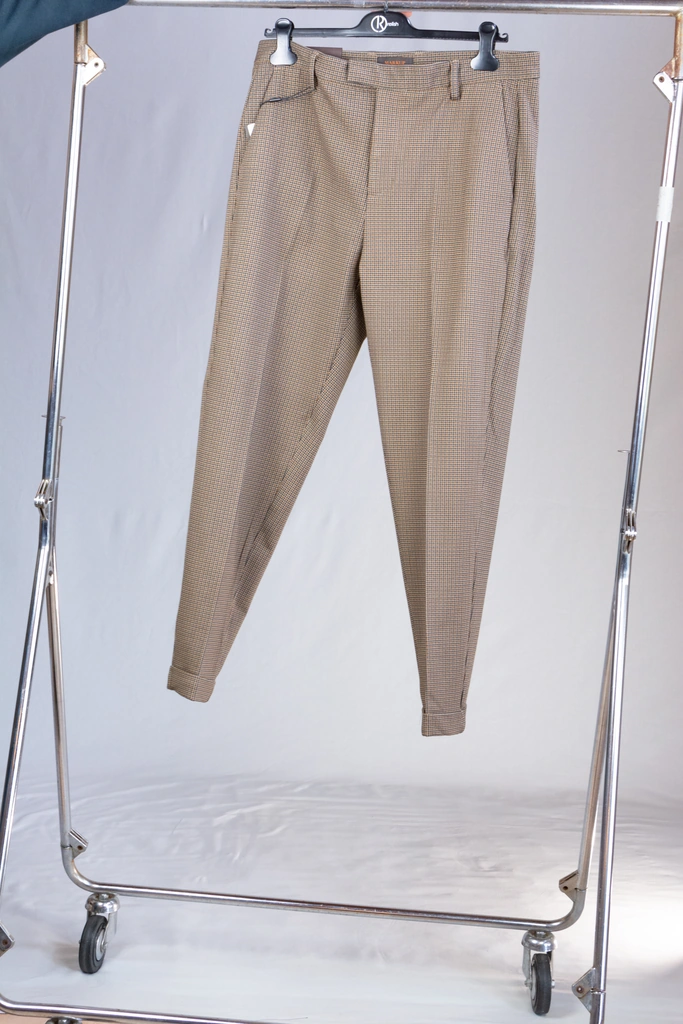
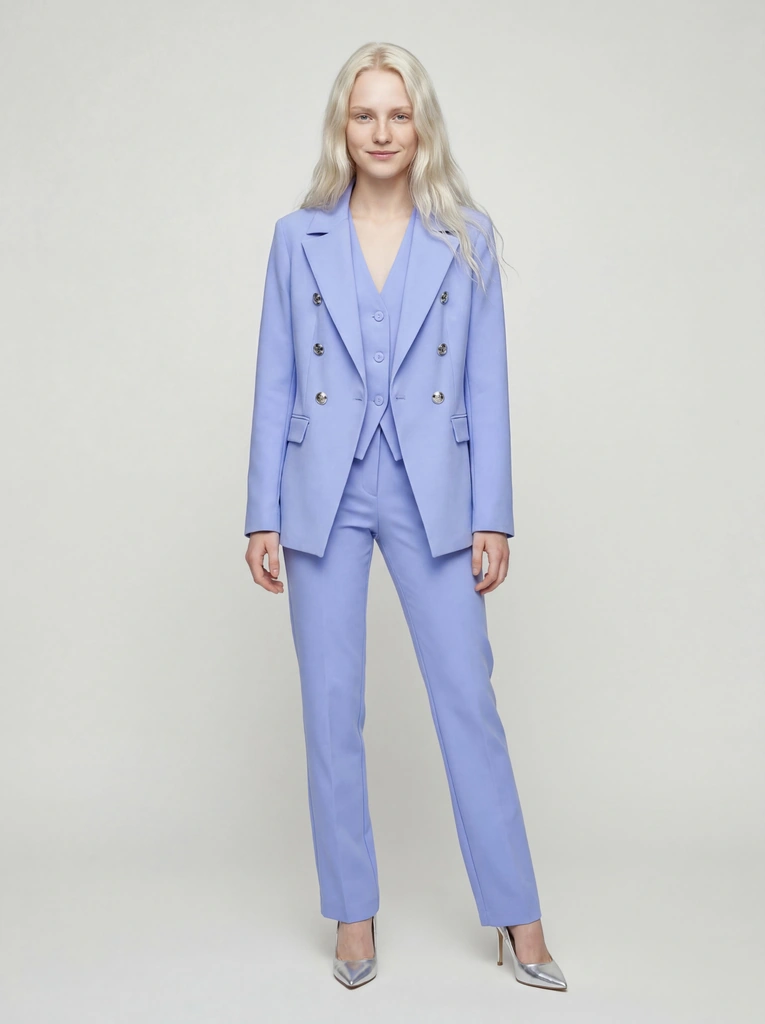
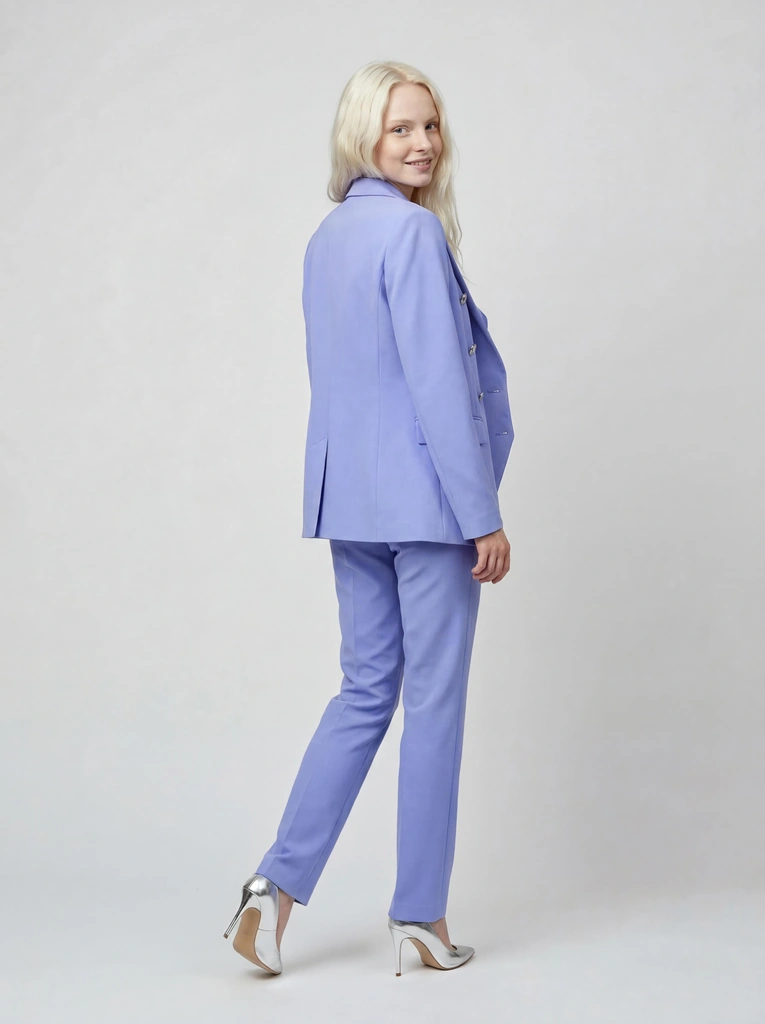
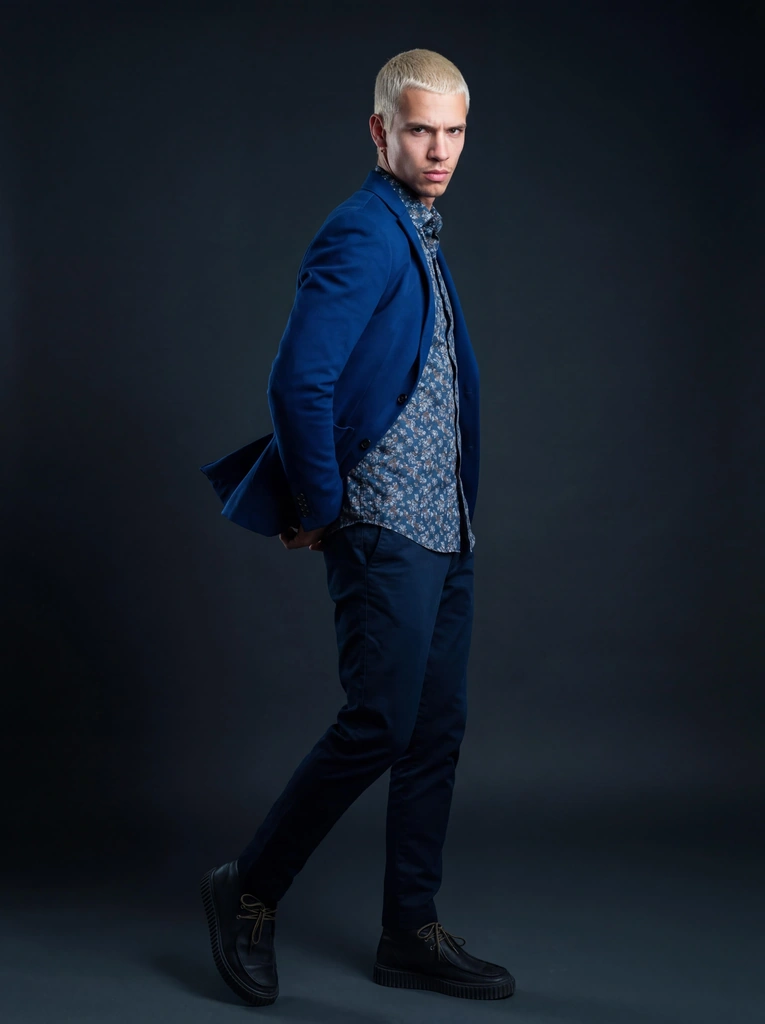
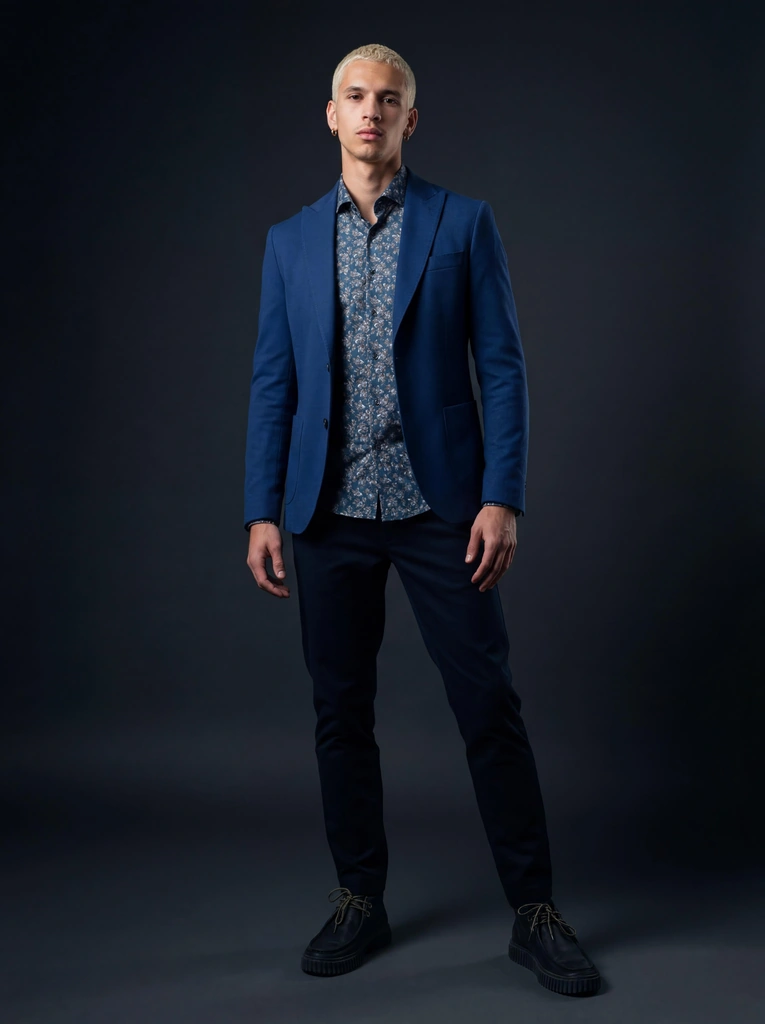
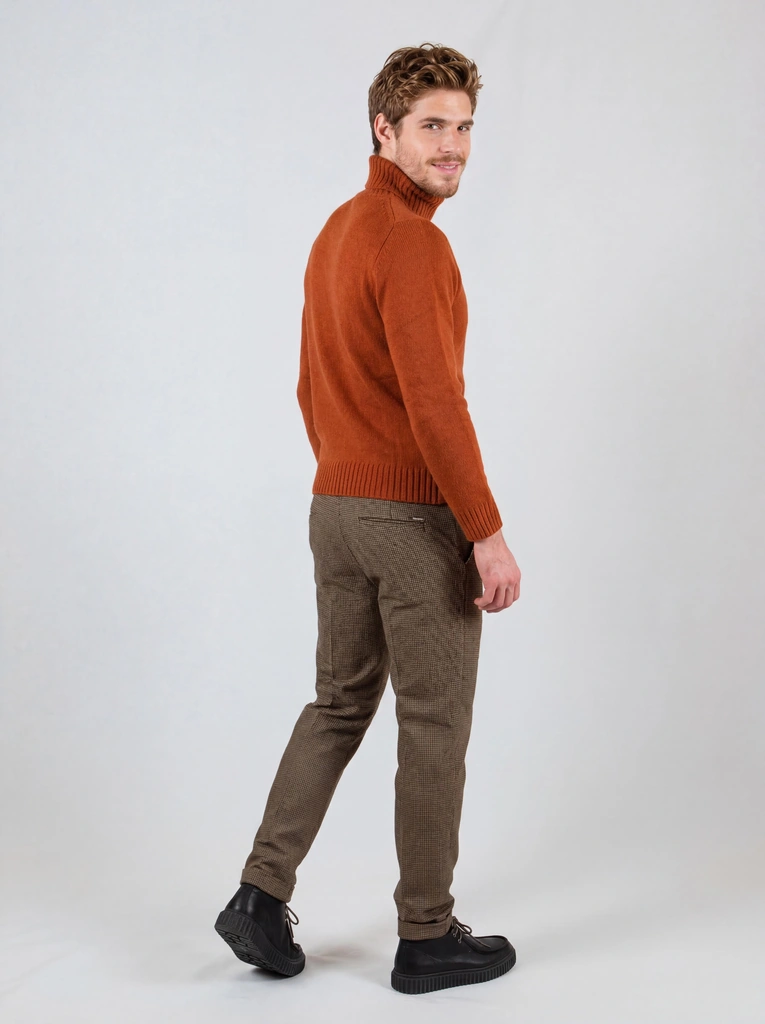
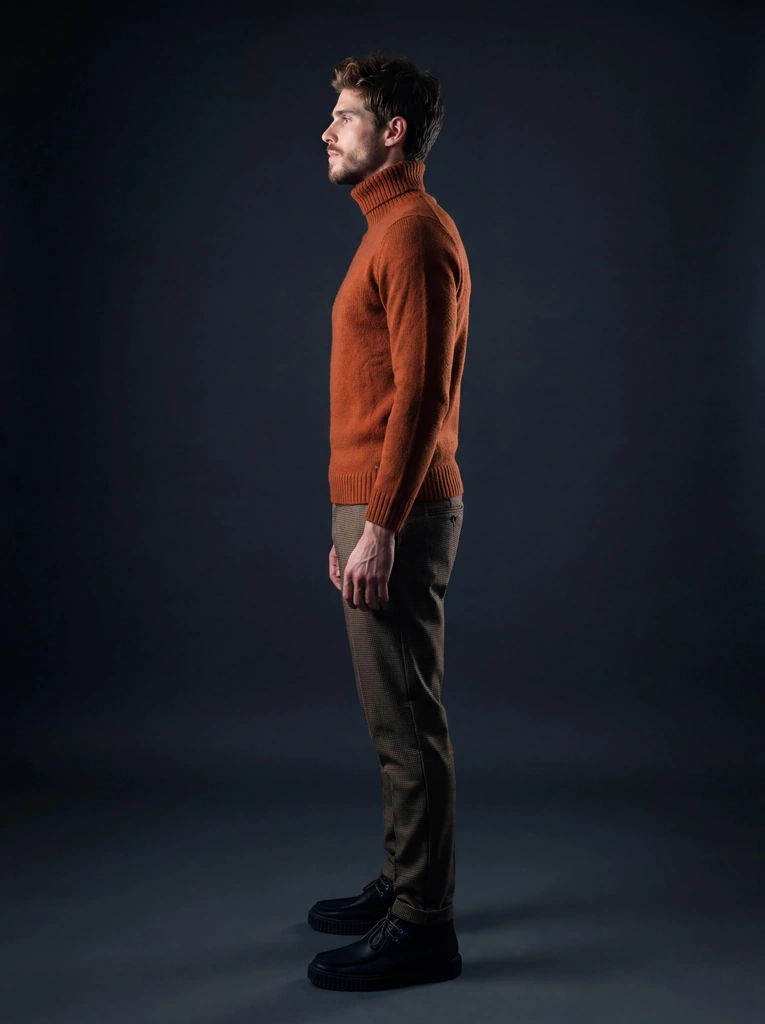
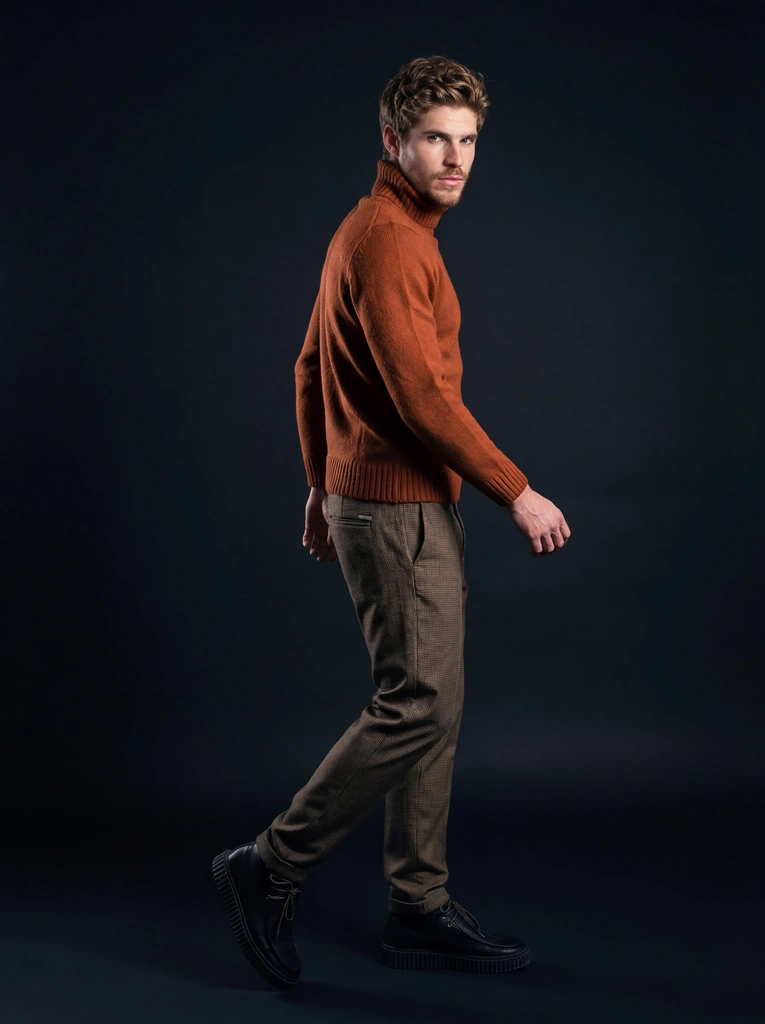
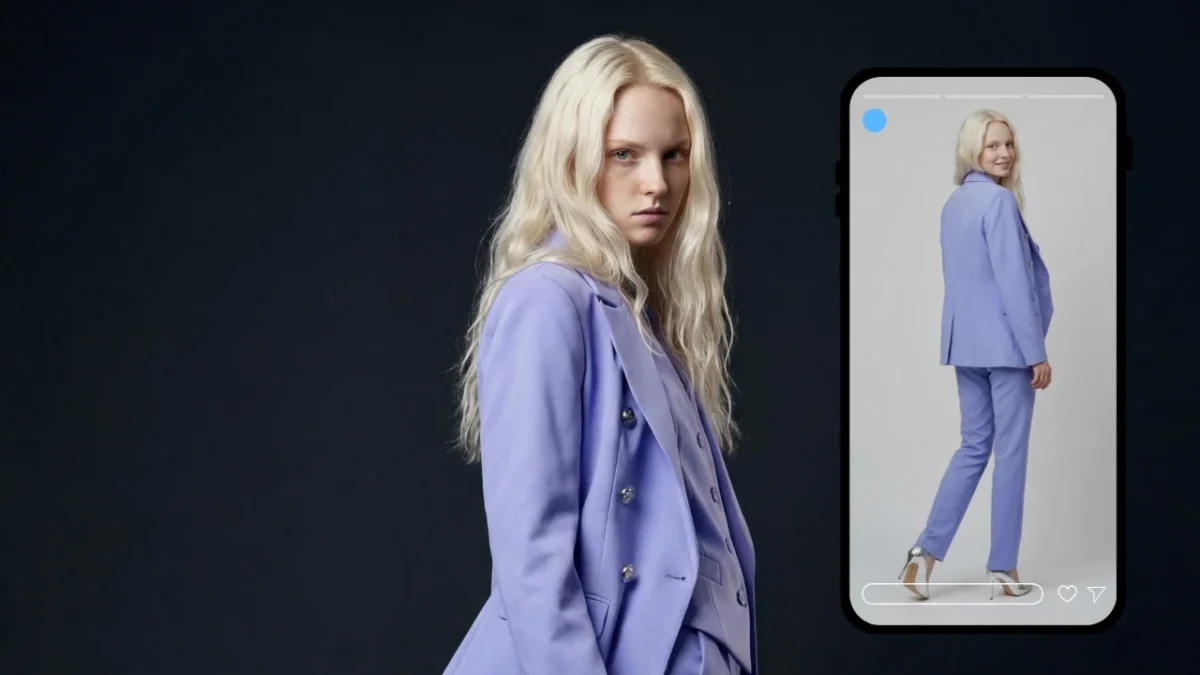
After that, we processed every flat-lay image through On-Model, which uses AI to transform a simple flat-lay photo into a realistic on-model catalog image. As a result, each garment appeared on a virtual model in a natural, lifelike pose.
Comparing the Results: Traditional Shoot vs. AI Fashion Photography
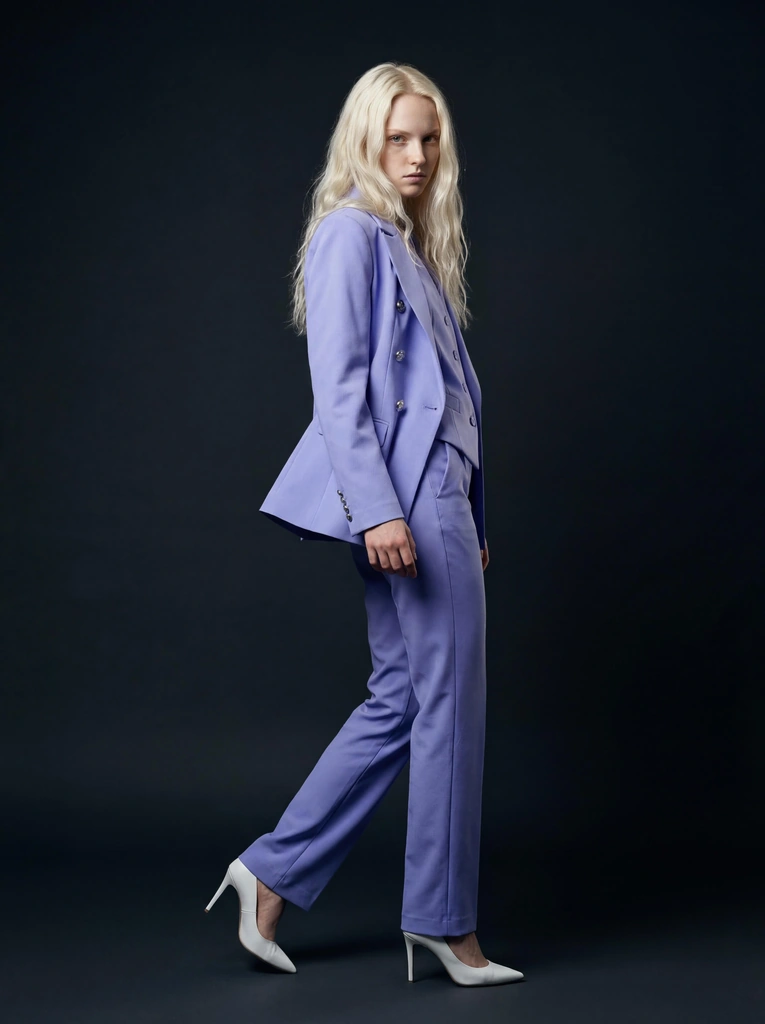
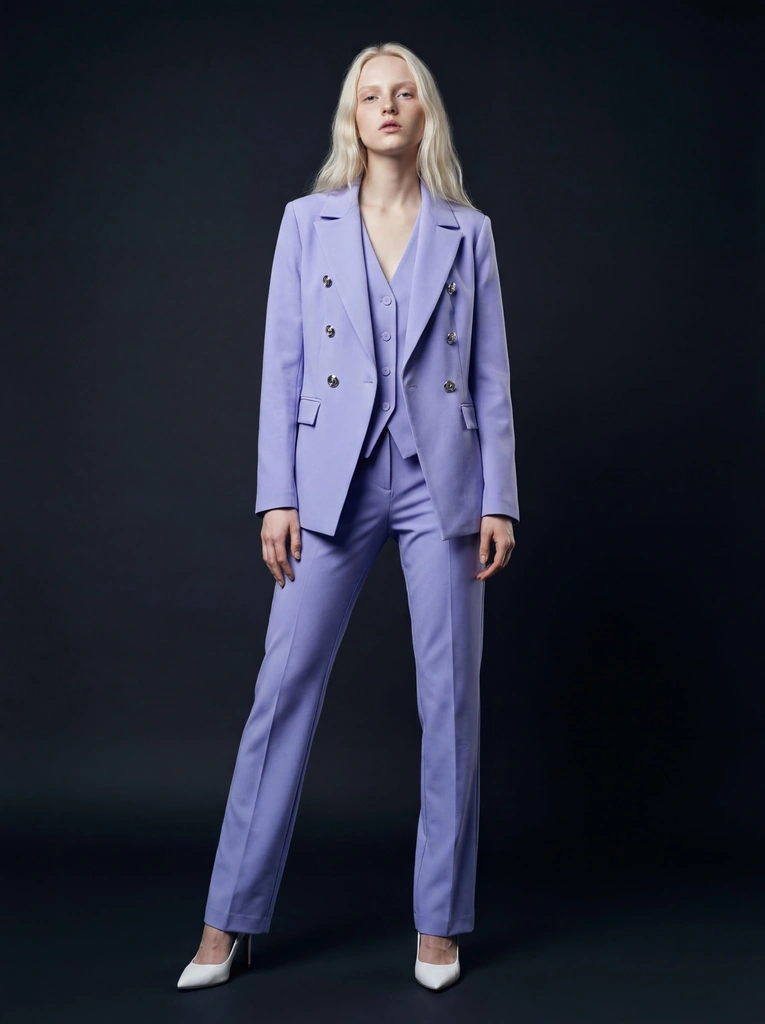
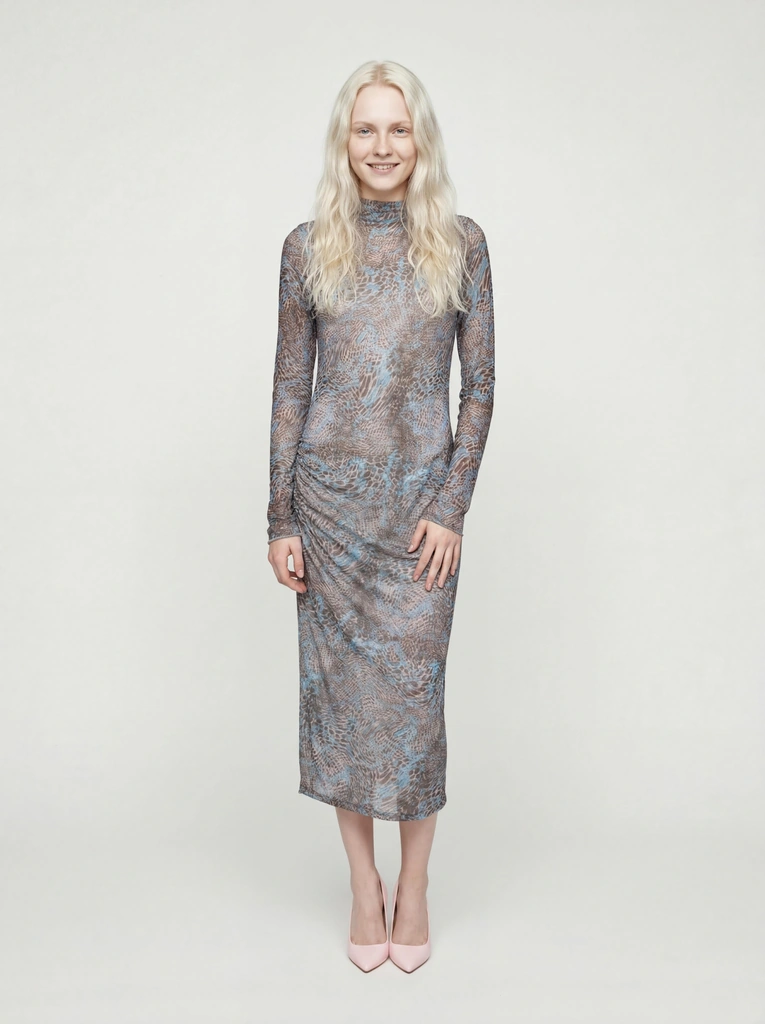
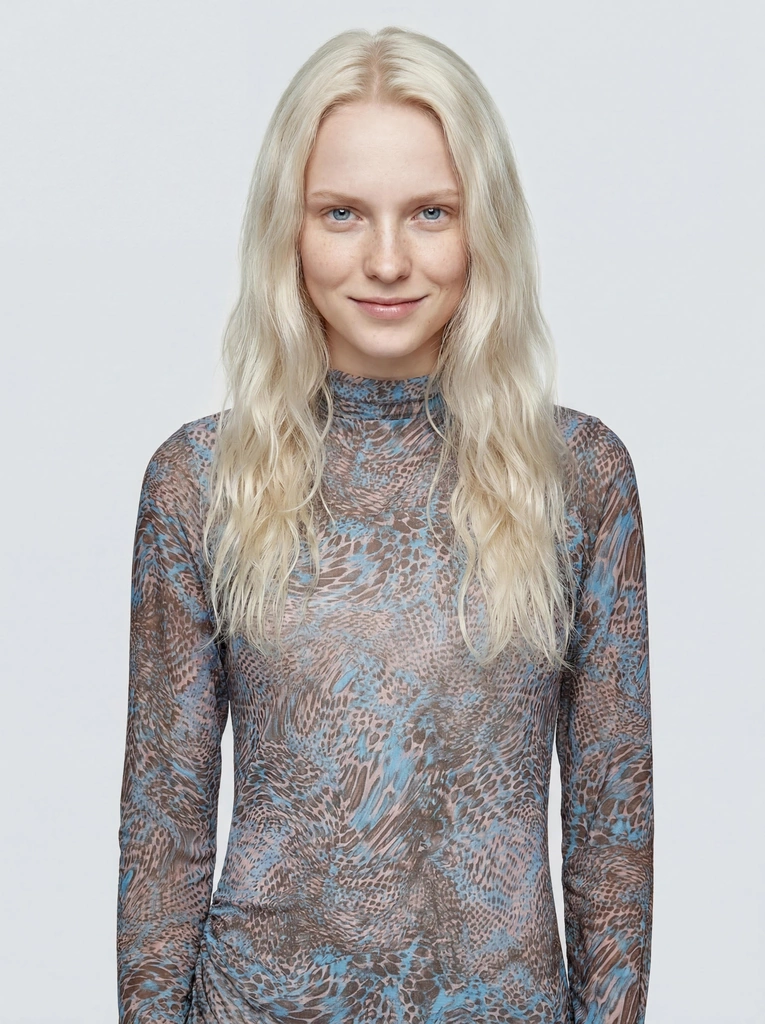
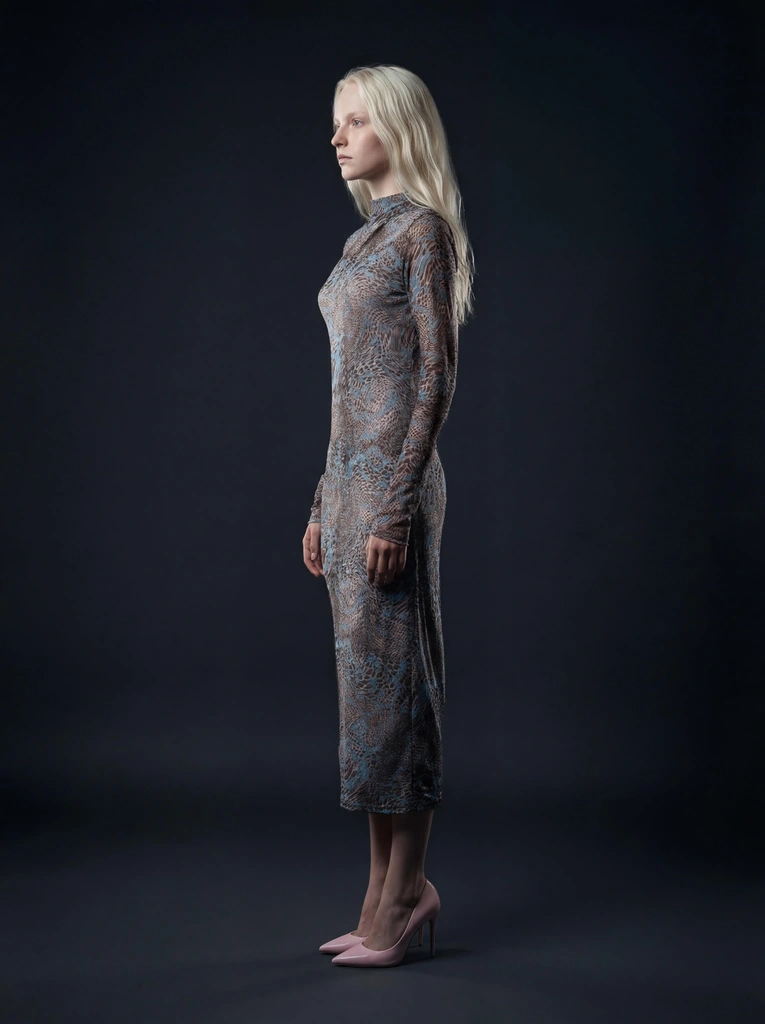
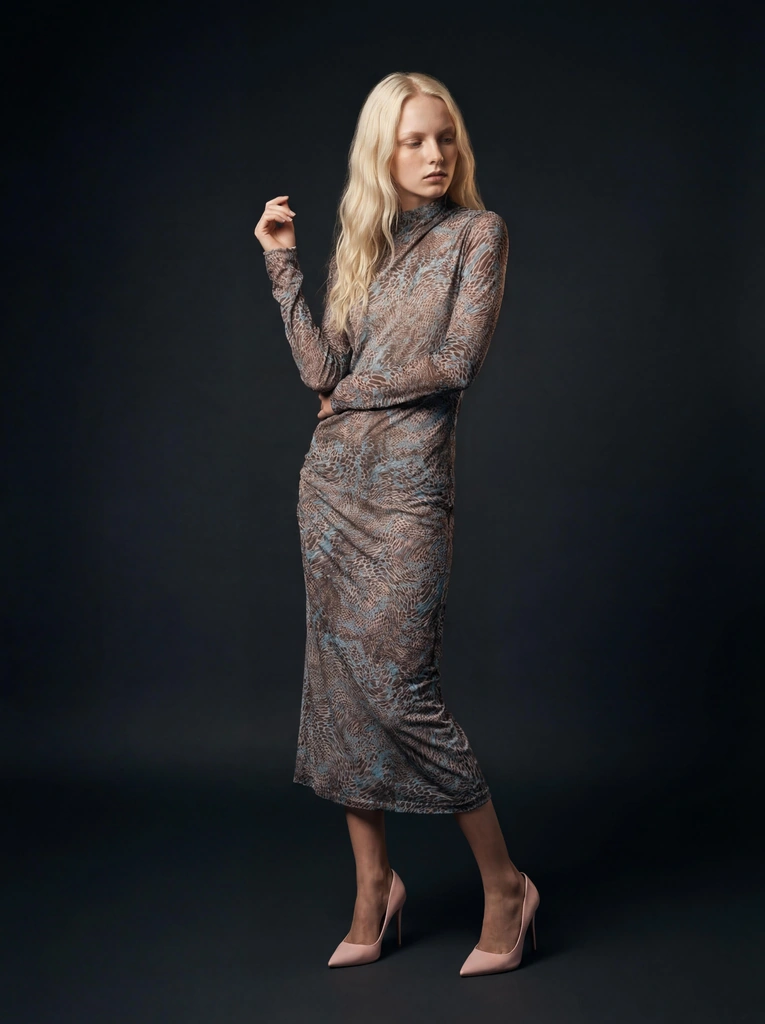
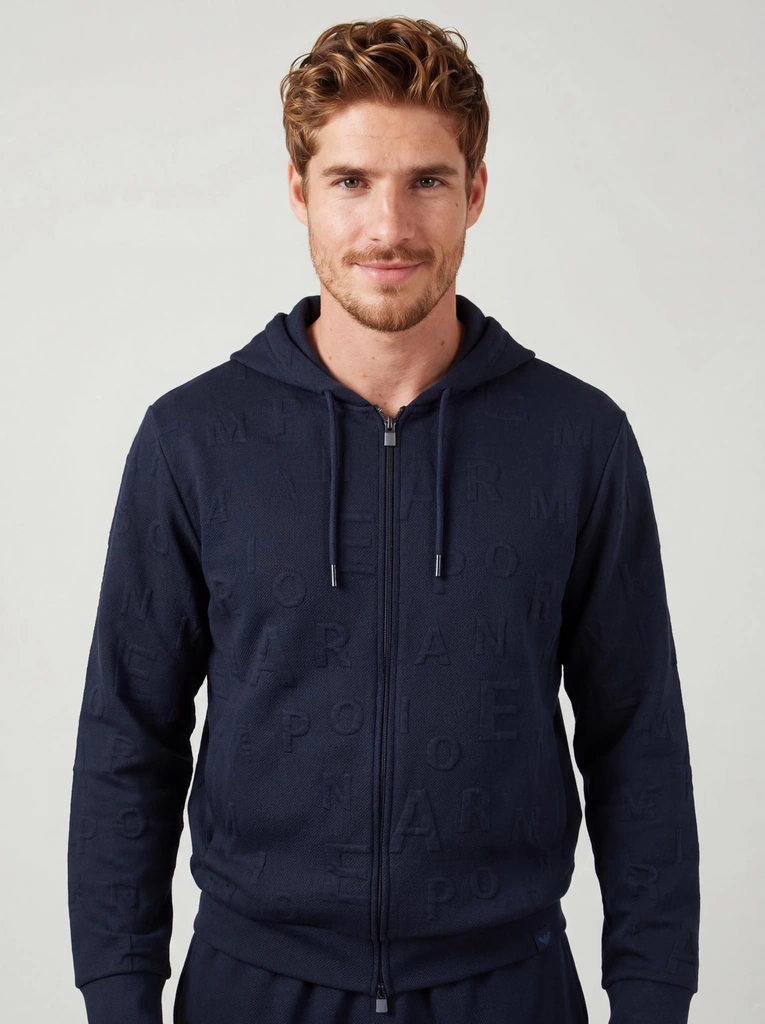
The images generated by On-Model proved visually comparable to the traditionally shot photographs. Garment fit, draping, and fabric texture all appeared convincing, and the final output met catalog-ready standards.
Moreover, On-Model offered something the traditional shoot could not: creative flexibility after the fact. With AI fashion photography, you can adjust the pose, model appearance, and background setting instantly, without rescheduling a shoot or calling models back in. Consequently, a single flat-lay photo becomes the starting point for dozens of variations.
The Cost Breakdown: Why AI Fashion Photography Wins for Small Businesses
Here is where the difference becomes impossible to ignore.
Traditional photo shoot: total cost: €700
| Item | Cost |
|---|---|
| Models (2) | €300 |
| Photographer | €200 |
| Post-production | €200 |
| Total | €700 |
This produced approximately 50 final images, working out to roughly €14 per image.
On-Model: approximately €1 per image.
In contrast, the same 50 images cost around €50 with On-Model. That represents a 93% reduction in total spending.
Key Takeaways for Retailers Exploring AI Fashion Photography
- Same quality, fraction of the cost. On-Model images matched the visual standard of a professional photo shoot at roughly 1/14th of the price.
- Unlimited creative flexibility. Unlike a traditional shoot, On-Model lets you change the model, pose, and setting afterward, instantly and at no additional cost.
- Accessible for small businesses. As a result, local shops like Just Fashion can now produce catalog imagery that rivals major retailers, without the overhead of booking models, photographers, and studio time.
- A single flat lay is all you need. In fact, the only photography required is a simple flat-lay shot, something any retailer can do in-house with a smartphone and good lighting.
About On-Model
On-Model is an AI-powered platform by PiktID that transforms flat-lay garment and footwear photos into realistic on-model catalog images. It is designed for fashion brands, e-commerce platforms, and retailers of any size who need professional product imagery: fast, affordable, and at scale.
Case study conducted in collaboration with Just Fashion, Fagagna (UD), Italy.