
Estimated reading time: 23 minutes
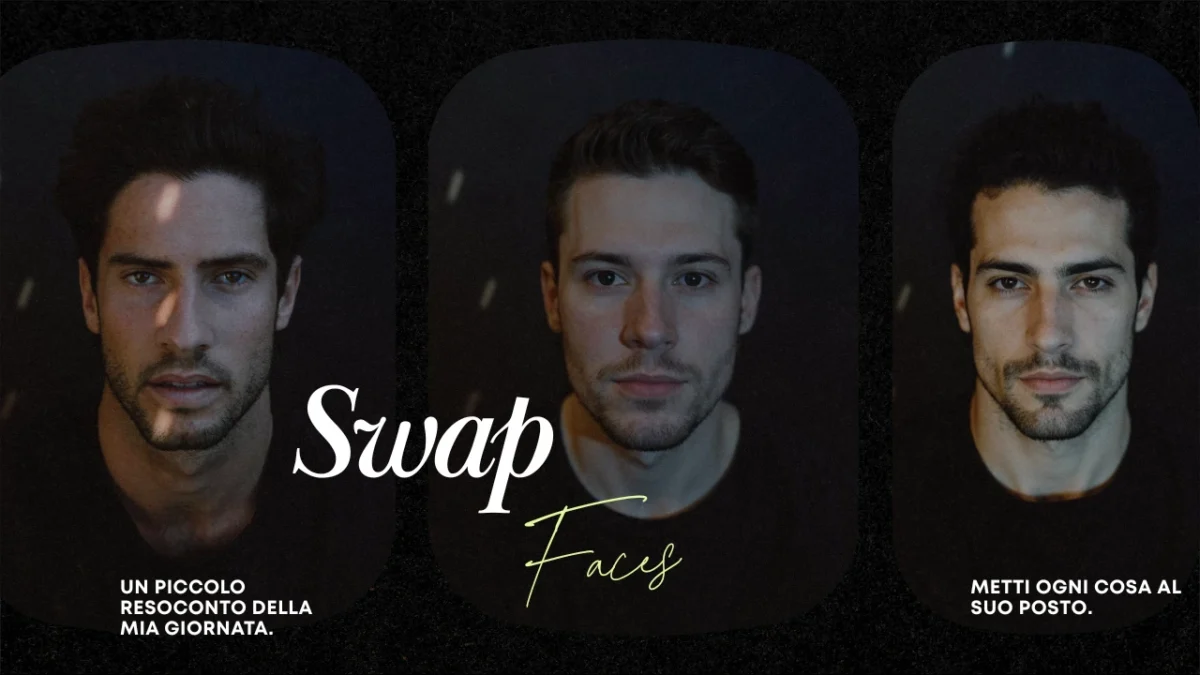
An AI body changer is a modern image editing technology that uses artificial intelligence to modify the appearance of a person’s body in a photo. Instead of manually adjusting layers, masks, or shapes, an AI body changer analyzes the image and performs transformations automatically while preserving realism.
Many creators and businesses use an AI body changer to transform visual assets quickly and efficiently. The technology can adjust body structure, replace identities, or refine posture without damaging lighting, textures, or background continuity.
Typical capabilities of an AI body changer include:
- transforming body proportions while maintaining realism
- replacing one model with another
- swapping identities across images
- refining pose and posture automatically
Unlike traditional photo editing software, which often requires advanced design skills and time-consuming manual work, an AI body changer performs these adjustments in seconds. Artificial intelligence evaluates the scene before generating the final output so that shadows, proportions, and visual context remain consistent.
On-model is designed as a professional AI imaging platform that brings these capabilities into a structured workflow. Instead of producing novelty edits, On-model focuses on realistic body transformation and model replacement for professional visual production.
This approach allows creators, brands, and teams to produce scalable visual content while maintaining image quality and authenticity.
Common practical uses include:
- fashion and apparel photography
- product and catalog visuals
- marketing campaign imagery
- editorial and creative visual design
By combining identity replacement with intelligent scene analysis, an AI body changer enables efficient content creation without requiring repeated photoshoots or complex manual editing.
Table of Contents
1. What Is an AI Body Changer?

Simple Definition
An AI body changer is a digital tool that modifies a person’s body in an image using artificial intelligence. Instead of manually editing shapes or proportions, the AI interprets the visual structure of the photo and generates realistic adjustments.
In simple terms, an Body Swaps can:
- adjust body proportions within an image
- replace identities between different people
- swap bodies between two photographs
- refine posture and alignment
These capabilities allow users to transform images while preserving the original visual context.
Most AI swap systems work by analyzing key components of an image, including:
- body pose and orientation
- lighting direction and intensity
- shadows and highlights
- perspective and background context
Once the AI understands these elements, it generates a transformation that blends naturally with the scene.
This process differs significantly from traditional editing methods. Older workflows often relied on manual masking and compositing, which required careful alignment and lighting correction. An AI body changer performs these steps automatically.
For professional content creation, this technology enables realistic body transformations without compromising image quality.
Typical results from a well-designed AI body changer include:
- natural proportions and posture
- consistent lighting and shadows
- preserved clothing textures and folds
- seamless integration with the background
These characteristics are particularly important when images are used for marketing, fashion, or commercial content where visual realism directly affects audience trust.
Refer to our guide about AI Body Generator
2. Why People look for an AI Body Changer

Interest in an AI body changer has increased because people want fast ways to modify or enhance images without learning complex photo editing tools. Modern AI editing tools can automatically detect body structure, lighting, and posture to produce natural-looking results. Many image editing platforms now allow users to adjust body proportions, replace identities, or transform body poses directly in a browser without manual retouching.
Common reasons users look for an AI swaps include:
- Changing body appearance in photos
- Swapping identities between people
- Creating realistic AI edits quickly
- Editing images without needing advanced design skills
An AI body swap is also useful for experimentation and creative editing. Many users explore body changes such as adjusting body shape, posture, or proportions to visualize different looks in photos.
However, modern expectations go beyond simple edits. Users now expect professional-quality results from an AI body changer.
What users expect from a modern AI body changer
Most users expect tools to deliver results that look natural and are easy to create. A reliable AI body changer should provide:
- Natural-looking body transformations
- An easy online workflow with minimal steps
- High-resolution output suitable for publishing
- Compatibility with commercial content such as marketing or product images
Professional AI tools like On-model extend these capabilities further by supporting identity replacement and model swapping workflows that preserve pose, clothing, and scene structure. This allows brands to reuse existing photos while producing new visuals quickly.
For businesses, the ability to use an AI body changer for scalable content creation is becoming especially valuable in industries like fashion, advertising, and e-commerce. PiktID has created a detailed guide about How to create AI model Girl Online.
3. Limitations of Basic AI Body Editing Tools

Although many AI body editing tools are available online, not all of them deliver professional-quality results. Many free tools are designed primarily for entertainment or casual editing rather than production use.
These tools may provide quick body transformations, but they often struggle with accuracy and visual realism.
Common issues seen in basic AI body editing tools include the following.
Unrealistic Proportions
A frequent problem with low-quality AI body editing tools is unnatural body shaping.
Examples include:
- Distorted body shapes
- Incorrect limb proportions
- Unnatural pose alignment
These problems occur because simple tools manipulate pixels rather than analyzing full body structure. Without proper body detection and pose mapping, the results may appear stretched or artificial.
Advanced AI editing systems analyze pose and body structure before generating edits, which helps maintain natural proportions.
Lighting and Shadow Mismatch
Another common issue with many AI body editing tools is inconsistent lighting.
When an AI body changer does not properly analyze the image environment, the edited body may not match the original lighting conditions.
Typical problems include:
- Different lighting direction between body and background
- Inconsistent shadows
- Skin tones that do not match the original scene
Modern AI editing systems attempt to analyze highlights, shadows, and ambient light to create seamless integration when replacing or modifying body elements.
Low Image Quality
Many free AI body editing tools limit output quality.
Typical issues include:
- Compressed image files
- Visible artifacts around edited areas
- Watermarks added to exported images
- Loss of detail in clothing or skin textures
These limitations make many tools unsuitable for professional content such as product photography or marketing visuals.
In contrast, professional AI tools focus on preserving image quality and maintaining visual details such as fabric texture, lighting gradients, and skin tones. Maintaining these details is essential when using an AI body changer for commercial images, fashion catalogs, or advertising content.
When evaluating an AI body changer, the key difference between basic and professional tools is how well they understand image context. Tools that analyze body structure, pose, lighting, and texture produce results that look natural and can be used in real-world visual production. If you are new to using AI, ensure to go through our beginners guide about AI Model Swap.
4. How AI Body Changer Technology Solves These Problems

Traditional editing tools struggle with body transformation because they rely on manual adjustments. This often leads to mismatched proportions, unrealistic lighting, and visible edits. Modern AI body changer technology solves these challenges by analyzing the full structure of an image before generating the transformation.
Instead of simply stretching or pasting elements, an AI body changer studies the image context and generates new visual information that blends naturally with the scene.
Common improvements enabled by an AI body changer include:
- accurate body alignment
- consistent lighting across the scene
- preserved textures and materials
- natural proportions after transformation
This approach helps create realistic edits that look like they were originally captured in the photo.
i. Pose Detection
One of the biggest challenges when changing a body in an image is maintaining the correct posture and orientation.
An AI body changer first analyzes the pose of the person in the photo. This includes:
- body angle
- limb position
- shoulder and hip alignment
- camera perspective
After detecting these details, the AI body changer aligns the new body or identity with the same pose structure.
This ensures that the transformation does not appear unnatural or distorted. Instead of forcing a replacement into the image, the AI adjusts the transformation so it matches the original pose.
Benefits of pose detection include:
- natural body alignment
- reduced distortion
- improved realism in final images
This is especially important in fashion, advertising, and e-commerce images where body posture affects how clothing and products appear.
ii. Lighting and Scene Matching
Lighting inconsistencies are one of the most common issues with traditional editing tools. When the lighting of the new body does not match the original scene, the result immediately looks artificial.
An AI body changer solves this problem by analyzing lighting conditions across the entire image.
The system evaluates multiple elements, including:
- brightness levels
- shadow direction
- color temperature
- contrast and exposure
Based on this analysis, the AI body changer automatically adjusts the new body to match the surrounding scene.
Key adjustments include:
- brightness calibration
- shadow alignment with existing light sources
- color tone correction
By matching the scene lighting, the AI body changer ensures that the edited subject looks like it belongs in the original environment.
This is particularly valuable for commercial visuals where lighting realism directly impacts perceived quality.
iii. Texture and Clothing Preservation
Another challenge with traditional editing is maintaining realistic textures. Clothing, skin, and materials often become distorted during manual edits.
An AI body changer preserves these details by studying the texture patterns within the image.
Important textures that must remain intact include:
- clothing folds and fabric structure
- garment stitching and material patterns
- natural skin texture
- shadows created by clothing movement
Instead of flattening these details, the AI body changer reconstructs them during the transformation process.
This results in:
- natural garment movement
- preserved fabric detail
- realistic skin tones and shading
Maintaining texture integrity is essential in fashion and retail imagery where product presentation must remain accurate, Something like a Realistic Female Mannequin by PiktID Studio.
5. On-model’s Professional AI Body Changer Workflow

While many tools offer simple body editing features, On-model approaches image transformation with a professional AI workflow designed for high-quality visual production.
Rather than functioning as a casual editing tool, the On-model AI body changer is built to generate realistic outputs suitable for commercial environments.
The platform focuses on three critical aspects of AI body transformation:
- realism
- consistency
- production-ready output
Realistic Body Transformation
On-model’s AI body changer analyzes the structure of the original image before applying any transformation.
This allows the system to preserve:
- natural body proportions
- posture alignment
- lighting direction and shadows
By maintaining these visual relationships, the AI body changer produces edits that blend seamlessly with the original photograph.
The goal is not to create exaggerated edits but to maintain realism while adjusting the subject within the scene.
This level of precision is particularly important for industries that rely on accurate visual representation.
Identity Replacement for Commercial Visuals
One of the most valuable capabilities of an AI body changer is the ability to replace identities or models without reshooting entire campaigns.
On-model enables brands and creative teams to reuse visual assets by swapping identities while preserving the original scene.
This allows businesses to:
- swap models in product images
- create multiple campaign variations
- adapt visuals for different audiences
- generate diverse catalog imagery
Using an AI body changer in this way reduces production time while maintaining visual consistency across marketing materials.
For example, a single product photoshoot can be repurposed into multiple visual variations simply by changing the identity of the model.
High-Resolution Output
Many free editing tools compress images or reduce resolution during processing. This makes them unsuitable for professional use.
On-model’s AI body changer is designed to maintain high-resolution output so that the final image remains suitable for commercial distribution.
Images generated through the platform can be used for:
- product listings on e-commerce platforms
- marketing and promotional campaigns
- advertising creatives
- editorial and catalog visuals
Maintaining high resolution ensures that fine details such as clothing textures, lighting gradients, and product surfaces remain clear.
This level of image quality is essential for brands that rely on professional visuals to communicate credibility and product value.
By combining pose detection, lighting analysis, and texture preservation, an AI body changer can produce realistic body transformations that were previously difficult to achieve with manual editing tools. On-model builds on these capabilities to deliver professional workflows for creators, marketers, and e-commerce teams who require high-quality visual production. AI Fashion Photography tips by PiktID’s On-model App.
6. Step-by-Step: How to Use On-model as an AI Body Changer

Modern AI body editing tools follow a simple workflow: upload images, allow AI to analyze visual structure, and generate a realistic transformation. The On-model platform follows the same intuitive approach while focusing on professional-quality results.
Below is a clear step-by-step process to use On-model as an AI body changer.
Step 1 – Upload the Original Image
Start by uploading the base photo you want to edit using the AI body changer.
The original image should clearly show the subject so the AI can accurately detect the body structure, pose, and lighting conditions.
For the best results:
- Use a high-resolution image
- Ensure the subject is clearly visible
- Avoid heavy shadows that obscure body details
- Make sure the entire body or target area is visible
Why this matters:
An AI body changer analyzes the structure of the human body before making any modifications. Clear images help the AI detect:
- posture and body proportions
- lighting direction
- background context
The better the input image, the more natural the final result will appear.
Step 2 – Upload Target Identity or Body Reference
Next, upload the image that will serve as the body reference or identity replacement.
At this stage, the AI body changer compares both images and begins analyzing:
- body pose alignment
- shoulder and hip positioning
- camera angle and perspective
- lighting and shadow direction
This analysis allows the AI to determine how the transformation should occur.
For the best results when using an AI body changer:
- Choose a reference image with similar pose or stance
- Try to match the camera angle
- Use images with comparable lighting conditions
These small details help the AI produce a seamless transformation.
Step 3 – Generate the AI Transformation
Once both images are uploaded, the AI body changer begins the transformation process.
This step usually takes only a few seconds. During processing, the system performs several complex visual tasks automatically.
The AI processes:
- Body alignment
The system adjusts the target body to match the posture of the original image. - Lighting matching
Shadows, highlights, and tone are adapted to maintain realism. - Context blending
Edges are refined and blended so the body integrates naturally with the background.
Instead of simply copying and pasting elements, the AI body changer reconstructs the visual composition so the edited image maintains realistic proportions and structure.
This process is what separates advanced AI body editing from basic image manipulation.
Step 4 – Export the Final Image
After the transformation is complete, preview the result and export the final image.
The AI body changer generates a high-resolution image that can be used for:
- marketing visuals
- e-commerce listings
- fashion catalogs
- creative content
When exporting, choose the highest available resolution to maintain texture detail and visual clarity.
High-quality exports ensure that the image remains suitable for both digital platforms and print materials. Reading this on an iPhone? Refer to our guide about How to Face Swap on iPhone.
7. Best Practices for Using an AI Body Changer

While AI body editing tools simplify the process, a few best practices can significantly improve the quality of the final image.
Following these guidelines ensures the AI body changer produces natural-looking results.
Use Images with Similar Camera Angles
Camera angle plays a major role in visual realism.
If the base image is shot from the front but the reference image is taken from the side, the AI body changer may struggle to align the two perspectives.
For best results:
- Match the camera perspective
- Use images with similar framing and distance
- Ensure both images show a comparable posture
This allows the AI to align the transformation more accurately.
Maintain Consistent Lighting Conditions
Lighting differences can create visible inconsistencies after editing.
For example, if one image has strong sunlight and the other has soft indoor lighting, shadows may not blend naturally.
To avoid this:
- Choose images with similar lighting direction
- Avoid mixing studio lighting with outdoor lighting
- Ensure skin tone and color temperature are close
Many AI body changer tools automatically adjust lighting, but consistent source images still produce the best results.
Avoid Extreme Pose Differences
Pose differences can affect how the AI body changer reconstructs the final image.
If one image shows a standing posture and the other shows a sitting pose, alignment becomes difficult.
To improve results:
- Use reference images with similar body posture
- Match arm and leg positioning when possible
- Avoid dramatic perspective differences
Subtle pose variations are usually handled well by AI, but large differences may reduce realism.
Always Use High-Resolution Images
Image resolution directly affects the output quality of an AI body changer.
Low-resolution images can cause:
- blurred edges
- reduced texture detail
- unrealistic skin tones
High-resolution images help preserve:
- clothing texture
- body contours
- lighting details
Whenever possible, upload images with the highest available resolution.
Preview Before Final Export
Before downloading the final image:
- check body proportions
- review lighting consistency
- zoom in to inspect edges and textures
This final review ensures the AI body changer has produced a natural-looking transformation.
Using these steps and best practices, On-model enables users to apply AI body editing quickly while maintaining realistic visual quality suitable for professional content creation.
8. Real-World Use Cases for AI Body Changer Technology

An AI body changer is used across many industries where visual content needs to be created quickly while maintaining realism. Instead of reshooting photos or manually editing images for hours, AI tools can transform body structure, replace identities, or generate variations while keeping lighting, clothing, and scene details consistent.
Below are some of the most practical applications where an AI body changer provides clear advantages.
E-commerce
Online stores constantly need product photos that fit different marketplaces, campaigns, and audiences. An AI body changer allows brands to adapt visuals without organizing new photoshoots.
Common applications include:
- Replace models in product images while keeping clothing and products unchanged
- Create variations of product photos for different regions or audiences
- Adjust body posture or proportions to better fit product presentation
Benefits for e-commerce teams:
- Faster catalog production
- Reduced photography costs
- Ability to test different visuals before launching campaigns
For example, a clothing brand can use an AI body changer to generate multiple model variations from a single photoshoot, ensuring the product remains the same while the visual presentation adapts to different audiences.
Fashion and Apparel
Fashion production often requires hundreds of visual variations for lookbooks, catalogs, and campaigns. An AI body changer helps designers and marketers create those variations efficiently.
Typical use cases include:
- Generate multiple lookbook visuals from one shoot
- Test different body shapes or model identities for campaign visuals
- Adjust posture or proportions to highlight garments better
Fashion teams benefit because an AI body changer can preserve:
- garment folds and textures
- natural body proportions
- lighting direction and shadows
This allows brands to experiment creatively while maintaining realistic product representation.
Marketing and Advertising
Marketing campaigns frequently require many image variations for different platforms. An AI body changer allows creative teams to scale visual production without starting from scratch.
Examples include:
- Produce multiple ad creatives for A/B testing
- Adapt campaign visuals for different audiences or demographics
- Create alternate versions of a campaign without reshooting models
Key advantages:
- faster campaign production
- consistent brand visuals
- ability to generate multiple ad formats quickly
Using an AI body changer in advertising helps creative teams maintain visual consistency while experimenting with different marketing approaches.
Creative Content
Beyond commercial use, an AI body changer is also valuable for creative exploration.
Artists, designers, and editorial teams use AI tools to:
- design conceptual visual stories
- generate experimental body transformations
- produce stylized editorial imagery
Creative professionals often use an AI body changer to explore ideas that would be difficult or expensive to produce in real photography.
For example:
- magazine editors can test visual concepts before a photoshoot
- digital artists can experiment with character transformations
- creators can produce unique visuals for storytelling or visual media
This flexibility allows creators to explore new visual directions quickly.
9. Comparison Table: AI Body Editing Tools
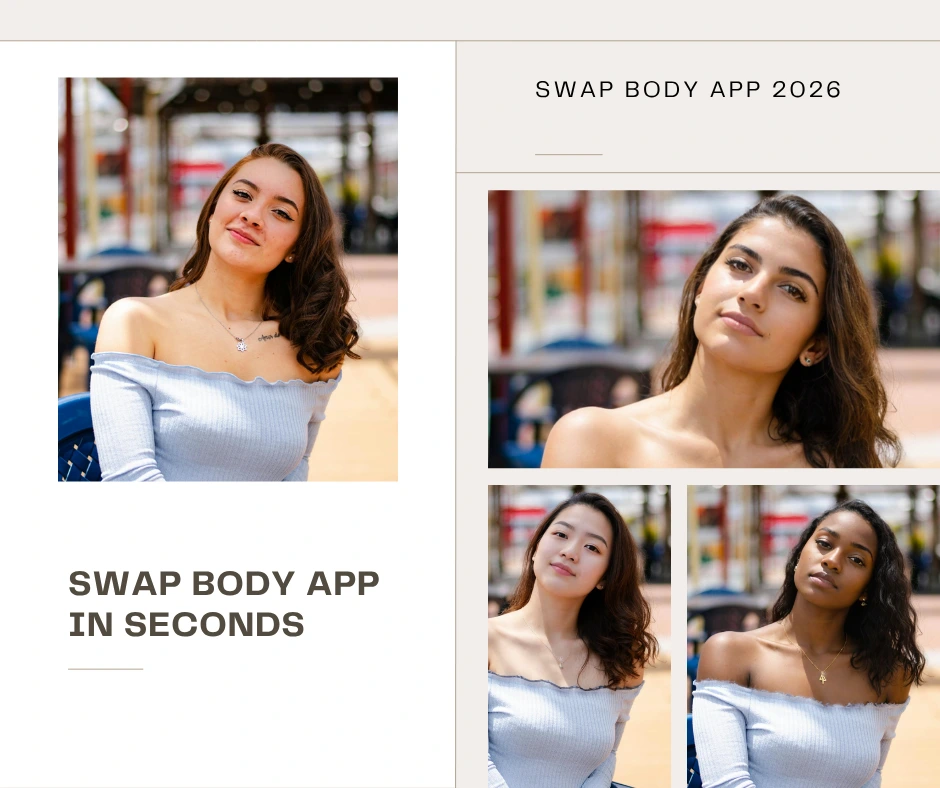
When evaluating an AI body changer, users typically compare realism, output quality, and workflow compatibility. Many free tools focus on casual edits, while professional platforms emphasize production-ready results.
| Feature | On-model | Free AI Editors | Basic Mobile Apps | Traditional Editing |
| Realistic AI body editing | Yes | Limited | No | Manual |
| Lighting preservation | Yes | Partial | No | Manual |
| High resolution export | Yes | Limited | Limited | Yes |
| Commercial workflow support | Yes | No | No | Yes |
| Identity consistency | Yes | No | No | Manual |
What This Comparison Shows
Different tools approach body editing in different ways.
Free AI editors usually provide quick edits but often struggle with:
- lighting consistency
- body proportion accuracy
- high-resolution exports
Basic mobile apps typically focus on entertainment features rather than professional visuals. Traditional editing software can produce excellent results, but it requires:
- advanced design skills
- significant manual effort
- time-consuming adjustments
A professional AI body changer like On-model focuses on solving these challenges by combining automation with realistic image generation.
Why Professional AI Tools Matter
A professional AI body changer helps ensure that visual transformations:
- maintain realistic proportions
- preserve lighting and texture
- produce high-resolution results suitable for commercial use
This is particularly important for industries where image quality directly impacts brand perception and product trust. By combining AI body editing with professional workflows, tools like On-model enable creators and businesses to produce scalable visual content without sacrificing realism or quality.
10. Ethics and Responsible AI Image Editing
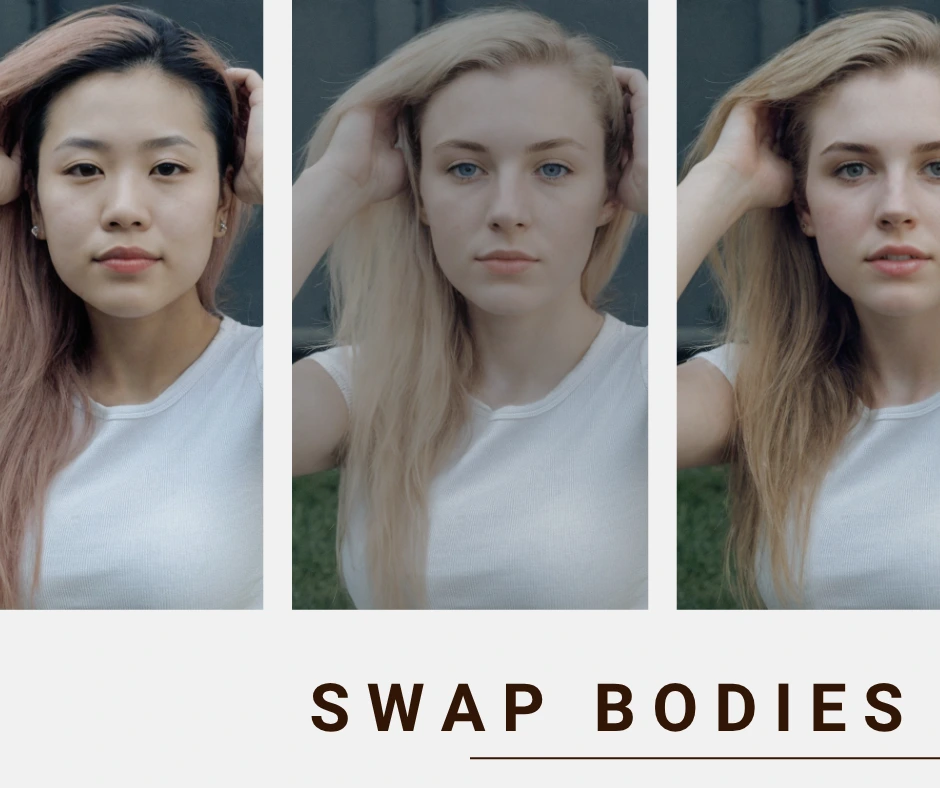
AI body editing tools have made image transformation faster and more accessible than ever. However, the rise of realistic AI editing has also introduced ethical considerations that creators, brands, and businesses must take seriously. Responsible use of an AI body changer helps maintain trust, transparency, and integrity in visual content.
Respect Consent When Editing Real Photos
Consent is one of the most important principles when using an AI body changer. When images include identifiable individuals, permission should always be obtained before making edits or publishing modified visuals.
Responsible creators and businesses follow practices such as:
- obtaining explicit consent from people appearing in images
- respecting personal privacy and image rights
- ensuring edited visuals do not harm or misrepresent individuals
Ethical guidelines around AI-generated visuals consistently highlight consent as a core requirement for responsible image editing.
Avoid Misleading Body Manipulation
AI tools make it possible to modify images in ways that look extremely realistic. While this enables creativity, it also increases the risk of misleading visual representation. Responsible use of an AI body changer means:
- avoiding unrealistic body alterations that misrepresent reality
- not creating images that could mislead audiences or consumers
- maintaining truthful visual representation in advertising and marketing
Research on AI-generated visual edits shows that overly realistic manipulation can blur the line between authentic and altered content, which may reduce public trust in digital media.
Maintain Authenticity in Commercial Visuals
In professional environments such as fashion, advertising, and e-commerce, authenticity plays a major role in building brand credibility. Using an AI body changer responsibly means:
- preserving realistic body proportions
- maintaining accurate representation of clothing and products
- ensuring visual edits support storytelling rather than deception
Ethical photo editing guidelines emphasize that visual adjustments should enhance images while still reflecting the true nature of the subject.
Protect Privacy and Personal Identity
AI-powered editing systems often process images containing biometric or identifiable features. Because of this, privacy protection is critical. Responsible AI workflows typically involve:
- protecting personal image data
- avoiding unauthorized editing of identifiable people
- following platform policies and legal guidelines
Experts highlight that privacy risks increase when AI tools process personal visual data without clear safeguards or consent.
Use Synthetic Identities When Appropriate
In many professional workflows, using synthetic identities or AI-generated models can reduce privacy concerns. For example:
- brands can create virtual models instead of editing real individuals
- marketing teams can test visual variations without using real identities
- creators can generate diverse visual concepts without privacy risks
This approach allows businesses to use an AI body changer creatively while maintaining ethical boundaries.
Responsible AI Is a Shared Responsibility
Ethical AI editing is not only about technology. It also involves the choices made by creators, marketers, and businesses. Responsible AI use includes:
- transparency about edited or AI-generated content
- clear content guidelines to prevent misuse
- adopting tools that include safeguards against harmful applications
Developers of AI editing platforms also implement safeguards to prevent inappropriate or harmful use of AI-generated images.
11. Concluding the latest AI Body Changer : On-model

AI body changer technology is transforming the way visual content is created. Tasks that once required hours of manual editing can now be completed in seconds using intelligent image analysis and AI-driven rendering.
Instead of relying on complex editing workflows, creators and businesses can now generate realistic body transformations quickly while maintaining visual consistency. A professional AI body changer offers several advantages:
- preserves natural lighting and shadows
- maintains realistic body proportions
- keeps textures such as clothing and skin intact
- produces production-ready images for commercial use
On-model provides a professional AI body changer designed specifically for high-quality visual production. Its AI workflow ensures that body transformations remain realistic while preserving the overall composition of the image. This makes the platform especially useful for:
- fashion and apparel campaigns
- e-commerce product photography
- marketing and advertising visuals
- creative visual production and storytelling
By combining advanced AI image editing with professional-grade output quality, On-model enables teams to produce scalable visual content without repeated photoshoots or complex editing pipelines.
Ready to transform images using a professional AI body changer? Try On-model today with 10 free credits. Visit https://on-model.com/ to get started.
12. FAQs – AI Body Changer
i. What is an AI body changer?
An AI body changer is a digital tool that uses artificial intelligence to modify a person’s body appearance in a photo. Instead of manually editing images with layers or masking tools, an AI body changer analyzes the structure of the body and automatically generates a realistic transformation. Typical capabilities of an AI body changer include:
- adjusting body proportions
- swapping identities between people
- changing body structure while preserving pose
- maintaining natural lighting and shadows
Modern AI changer systems analyze pose, perspective, and surrounding elements before applying changes. This ensures the edited body fits naturally within the image rather than appearing pasted or distorted.
ii. How does AI change body shape in photos?
An AI changer modifies body shape by analyzing the visual structure of the image. The AI detects key body points such as shoulders, hips, arms, and posture before generating the transformation. The process generally includes:
- pose detection to understand body alignment
- scene analysis to evaluate lighting and perspective
- AI rendering to generate a realistic body transformation
Instead of stretching pixels like traditional tools, an AI body changer generates new image details that match the surrounding visual environment.
This approach helps maintain realism even when major body adjustments are made.
iii. Can I modify body proportions using AI tools?
Yes. One of the main purposes of an AI body changer is to modify body proportions quickly and realistically. AI tools allow users to adjust features such as:
- body size or structure
- posture or pose
- identity or body type
An AI body changer evaluates how these changes affect the overall composition of the image. This prevents unnatural distortion and keeps the edited body aligned with the original lighting and camera angle.
iv. Is AI body editing realistic?
AI body editing can produce highly realistic results when the system properly analyzes the image context. A well-designed AI changer considers several visual elements before making adjustments:
- body posture and alignment
- lighting direction and intensity
- clothing folds and texture
- shadow placement
These factors help ensure the final image looks natural. When these elements are preserved, the AI body changer can produce edits that are visually convincing even in professional applications.
v. Which AI body changer produces professional results?
Not all tools provide the same quality of output. Some AI body editing apps are designed mainly for entertainment, while others are built for professional image production. A professional AI changer should provide:
- realistic body transformations
- accurate lighting and shadow matching
- high-resolution export
- consistent proportions and pose alignment
Tools designed for commercial use focus on visual realism so that the final images can be used in advertising, fashion, and product photography.
vi. Can AI body editing be used for fashion photography?
Yes. AI body editing has become increasingly useful in fashion production. Fashion teams use an AI changer for tasks such as:
- testing different model variations
- generating lookbook visuals
- experimenting with poses and body structure
- adapting campaigns for different markets
By using an AI body changer, fashion teams can create multiple visual variations from a single photoshoot, saving both time and production costs.
vii. Does AI body editing reduce image quality?
Image quality depends on the AI system being used. Basic editing apps may reduce resolution or introduce compression artifacts. A professional AI body changer, however, is designed to maintain or improve image quality. High-quality AI body editing tools preserve:
- texture detail in clothing and skin
- lighting consistency
- sharpness and resolution
This allows the edited image to remain suitable for high-resolution outputs such as marketing visuals and product images.
viii. How does On-model perform realistic AI body editing?
On-model approaches AI body editing with a workflow designed for realistic visual results. When using the On-model AI body changer, the system analyzes:
- body pose and proportions
- lighting direction and shadows
- background consistency
- clothing and texture detail
The AI then generates a transformation that preserves the integrity of the original scene.
This ensures the final output looks natural and can be used in professional contexts such as marketing campaigns, fashion photography, and e-commerce product visuals.
ix. Can an AI body changer replace models in product photos?
Yes. One common use of an AI body changer is replacing models in product photos. Brands can use AI tools to:
- swap models in fashion product images
- create regional campaign variations
- test multiple visual concepts without additional photo-shoots
By using an AI body changer, companies can scale visual production while maintaining consistent product presentation.
x. Can an AI body changer work with different poses or body types?
An advanced AI body changer can adapt to different poses and body types by analyzing how the body is positioned within the image. The system evaluates:
- pose alignment
- camera angle
- body structure
- perspective within the scene
With this information, the AI body changer can generate a transformation that fits naturally into the original composition, ensuring that the edited image remains visually balanced and realistic.